Essential Guide to Creating a Stunning 3D Pergola in Your Backyard for 2026
Understanding the Benefits of a 3D Pergola
A 3d pergola offers an innovative approach to outdoor living, blending luxury with functionality. This architectural structure can transform any backyard into an inviting retreat. Designed with advanced 3D visualization, these pergolas allow homeowners to see exactly how the structure will fit into their outdoor space before construction begins. This not only enhances the design process but also ensures that homeowners feel confident in their choices.
What is a 3D Pergola?
A 3D pergola is a modern take on traditional outdoor structures designed using three-dimensional modeling software. These advanced designs enable homeowners to visualize their pergola from all angles, helping them understand how it integrates with their existing landscape. Unlike conventional pergolas, which may only provide a flat view, 3D models can showcase varying heights, styles, and materials, giving a comprehensive overview of potential designs.
Key Advantages for Homeowners
- Enhanced Visualization: Homeowners can better understand how different styles and sizes will look in their outdoor space.
- Customization: The 3D design process allows for tailored solutions that meet specific aesthetic and functional needs.
- Accurate Budgeting: By visualizing their projects in advance, homeowners can make more informed decisions regarding materials and costs.
Enhancing Outdoor Aesthetics
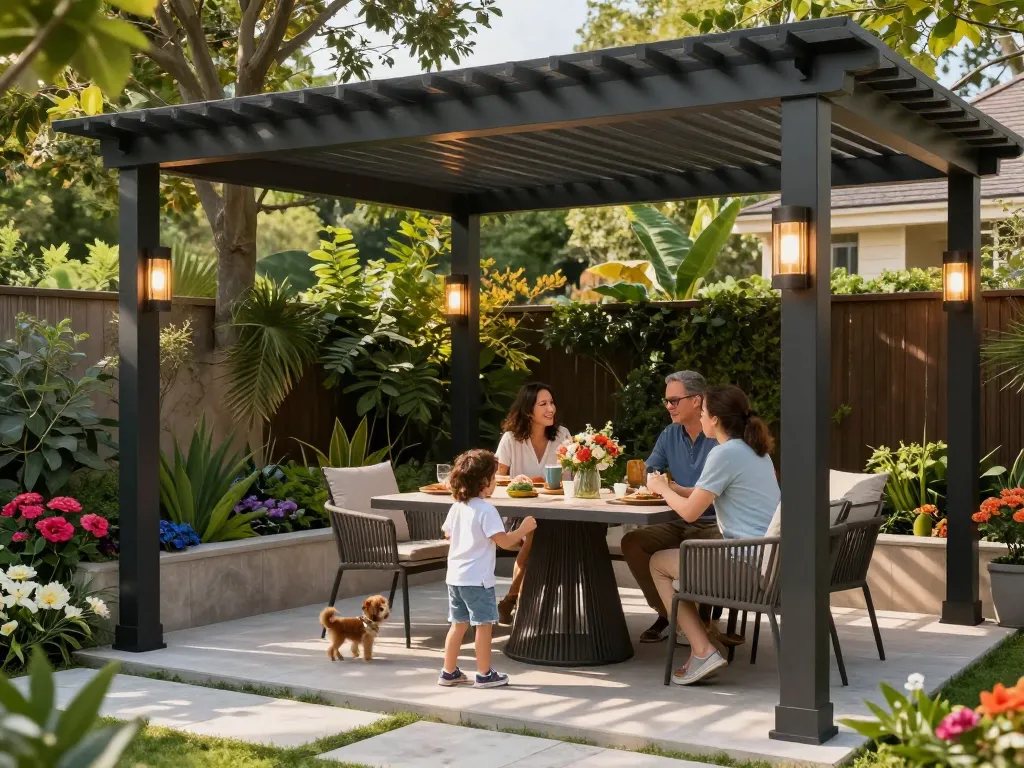
3D pergolas not only serve as functional structures but also significantly enhance the aesthetic appeal of a property. Their customizable designs can integrate seamlessly with existing landscaping, complementing your home’s architecture while providing a stunning focal point in your outdoor area.
Design Inspirations for Your 3D Pergola
When planning a 3D pergola, it’s essential to draw inspiration from various styles and trends. From modern designs that incorporate sleek lines to traditional forms that use rustic materials, the options are virtually limitless. Additionally, the integration of technology can elevate your outdoor experience.
Modern vs. Traditional Styles
Choosing between modern and traditional styles boils down to personal preference. Modern 3D pergolas often feature clean lines, minimal ornamentation, and materials like metal and glass. In contrast, traditional designs might showcase wood and intricate details.
Integrating Smart Technology
Today’s 3D pergolas can also be equipped with smart technology. Features such as automated louvered roofs, integrated lighting systems, and sound systems can enhance the outdoor living experience, making your pergola not just an aesthetic addition but a functional open-air room.
Color and Material Choices
Color and material selection can dramatically affect the overall vibe of your pergola. Wood brings warmth and a natural feel, while metal offers a modern touch. Additionally, choosing the right color can complement your home’s exterior, creating a cohesive look that enhances property value.
How to Plan Your 3D Pergola Construction
Planning is critical for a successful pergola project. Homeowners should consider several factors to ensure that their construction process runs smoothly and effectively meets their expectations.
Site Considerations and Measurements
Determining the correct placement for your 3D pergola involves careful measurement of your outdoor space. Consider factors such as sunlight, existing landscape features, and proximity to your home. Utilizing 3D modeling can also help simulate various layouts to find the most suitable option.
Permitting and Regulations
Before you start construction, make sure to check local building codes and regulations. Many municipalities require permits for outdoor structures, and understanding these regulations early in the planning process will save you time and potential legal issues.
Budgeting for Your Project
Establishing a clear budget is essential. After assessing your design and material choices, factor in costs for permits, labor, and any additional features such as lighting or smart technology. Creating a comprehensive budget will help guide your decisions and ensure that the project remains financially viable.
DIY vs. Professional Installation: What You Need to Know
Both DIY and professional installations have unique benefits and challenges. The choice between the two will largely depend on your skills, available time, and budget.
Assessing Your Skill Level
It’s essential to realistically assess your DIY skills before embarking on a pergola project. If you have experience with construction and design, a DIY installation might be feasible. However, if not, hiring a professional can help ensure that your project meets industry standards.
Choosing a Reliable Contractor
If you opt for professional installation, selecting a reliable contractor is crucial. Look for contractors who specialize in outdoor structures and have a strong portfolio of work. Customer reviews and testimonials can also provide insights into their reliability and quality of work.
Tools and Materials Required
Whether opting for DIY or professional installation, understanding the necessary tools and materials is vital. Common tools might include drills, saws, and levels, while materials can range from wood and metal to specialized fasteners and adhesives.
Future Trends in 3D Pergola Design for 2026
As technology evolves, so do outdoor living trends. Here’s what to look forward to in the realm of 3D pergola design.
Sustainable Materials and Eco-Friendly Practices
Incorporating sustainability into design will become increasingly important. Expect to see more use of eco-friendly materials such as reclaimed wood, bamboo, and recycled metal in pergola construction, appealing to environmentally-conscious homeowners.
Innovations in Design and Technology
As 3D modeling technology improves, expect enhanced visualization tools that allow for real-time modifications, helping homeowners tailor designs to better suit their preferences. Future simulations could even integrate environmental factors, offering a more precise representation of how a pergola will function in its setting.
Outdoor Living Trends You Shouldn’t Miss
As outdoor living spaces become extensions of the home, the demand for versatile, multi-functional pergolas will grow. Features such as outdoor kitchens and integrated seating areas will likely be commonplace, turning pergolas into complete outdoor living solutions.
What Are the Benefits of a 3D Pergola?
3D pergolas provide numerous benefits, including enhanced design capabilities and improved customization. These structures are perfect for creating shaded areas, adding value to your home, and providing a stylish outdoor retreat.
Can I Customize My 3D Pergola Design?
Absolutely! One of the most significant advantages of 3D pergolas is the ability to customize every aspect of the design. Homeowners can choose materials, colors, sizes, and features to suit their individual tastes and requirements.
What Are Common Materials Used for 3D Pergolas?
Common materials include wood, aluminum, and vinyl. Each material offers different aesthetic options and functional benefits, with wood providing a natural look, aluminum offering durability, and vinyl requiring less maintenance.
How Much Does It Cost to Build a 3D Pergola?
The cost of constructing a 3D pergola varies widely based on materials, size, and design features. On average, homeowners can expect to spend anywhere from $2,000 to $8,000, depending on their choices.
Are There Maintenance Tips for My 3D Pergola?
Regular maintenance includes cleaning surfaces, applying sealants, and checking for signs of wear or damage. By keeping up with maintenance, you can ensure that your pergola remains a beautiful and functional addition to your outdoor space for years to come.