Enhance Your Charging Experience with McNally EV Solutions
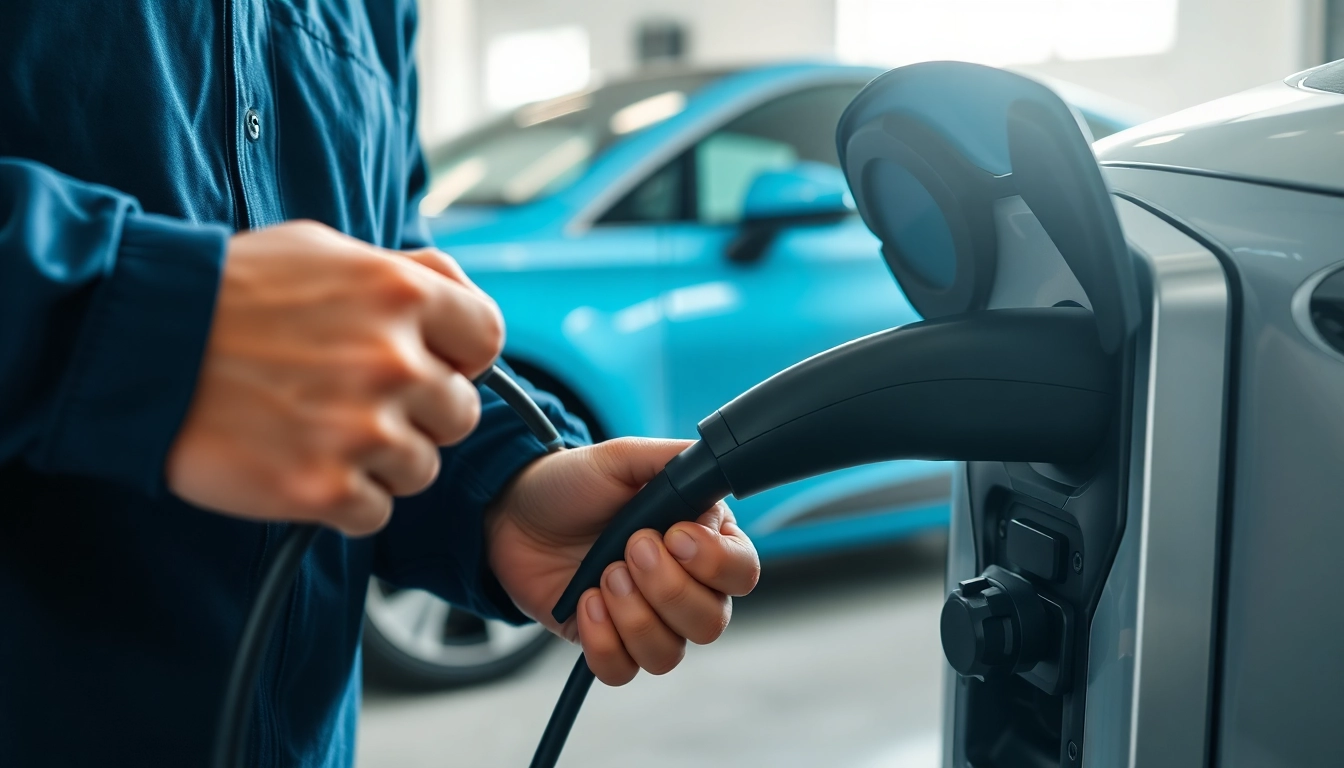
Understanding the Essentials of McNally EV Installations
What is McNally EV?
McNally EV is a standout provider in the electric vehicle (EV) charging installation industry, specializing in solutions designed to enhance the charging experience for EV users. With a focus on quality service and customer satisfaction, McNally EV ensures that homeowners and businesses can access reliable, convenient charging options tailored to their specific needs. As the demand for electric vehicles continues to rise, McNally EV positions itself as a trusted partner for installation and support.
Benefits of Electric Vehicle Chargers
Investing in an EV charger provides numerous advantages. Firstly, it offers the convenience of charging your vehicle at home or work, eliminating the need for trips to public charging stations. This saves time and reduces the anxiety associated with running low on battery. Additionally, having a dedicated charging point can lead to cost savings, as electricity rates are often lower than public charging fees. Plus, many regions offer incentives or rebates for installing home charging systems, enhancing the overall financial viability of the investment.
Components of a Charging System
A typical EV charging system consists of several key components, including the charging unit, cables, connectors, and the electrical infrastructure of the property. The charging unit is responsible for converting the AC power from the grid into DC power stored in the vehicle’s battery. Understanding these components is crucial for both effective usage and troubleshooting potential issues.
Choosing the Right Charger for Your Needs
Factors to Consider
When selecting an EV charger, several factors come into play. Evaluate the type of EV you own, as different models may have unique charging requirements. Consider the power output of the charger; higher kilowatt ratings enable faster charging. Your property’s electrical capacity is also crucial; ensure it can support the charger’s requirements without overloading the system. Lastly, think about your charging habits and frequency, as this will affect your choice of charger and installation location.
Types of McNally EV Chargers Available
McNally EV offers a diverse range of charging solutions, catering to various needs. Level 1 chargers provide a slow charge, suitable for overnight home use, while Level 2 chargers significantly reduce charging times and are ideal for both residential and commercial settings. Additionally, DC fast chargers are available for quick top-ups during long journeys. Each type of charger has its specific advantages, which should be matched with user requirements for optimal effectiveness.
Comparing Charging Speeds
Understanding charging speeds is crucial for maximizing the convenience of your EV charging experience. Level 1 chargers typically deliver around 4-5 miles of range per hour, adequate for daily commuting. In contrast, Level 2 chargers can provide approximately 25-30 miles of range per hour, demonstrating a significant advantage for those needing quicker turnaround times. DC fast chargers can restore 80% of a battery’s capacity in just 30 minutes, making them perfect for road trips or busy fleets. Align your charger choice with how and where you use your vehicle.
Installation Process for McNally EV Chargers
Preparing for Installation
Preparation is key to a successful charger installation. Begin by assessing your electrical system to ensure it meets the charger’s requirements. Gathering necessary permits and ensuring compliance with local regulations is vital, as these establish the foundation for safe and legal installations. Engaging with a licensed electrician familiar with EV chargers can streamline the preparation process, ensuring all standards are met before proceeding.
Step-by-Step Installation Guide
The installation process typically follows these steps:
- Site Assessment: Evaluating the installation location and assessing electrical capacity.
- Permit Acquisition: Obtaining necessary local permits for electrical work.
- Charger Mounting: Securing the charger unit to a wall or pedestal, ensuring it is easily accessible.
- Electrical Connections: Connecting the unit to the electrical supply, ensuring safety and compliance.
- Testing: Conducting thorough inspections and tests to confirm functionality.
Each step is essential in ensuring the safety and reliability of your charging system.
Safety Measures During Installation
Safety during installation cannot be overlooked. Ensure the power supply is shut off before starting any electrical work. Utilize proper personal protective equipment, such as gloves and safety goggles. Following manufacturer guidelines for installation can help mitigate risks associated with electrical hazards. Engaging professional services can further enhance safety, as experienced installers are equipped with the knowledge to navigate potential issues.
Maintenance Tips for Your McNally EV Charger
Routine Checks and Maintenance
Maintaining your EV charger is vital for its longevity and effectiveness. Conduct regular inspections for any signs of wear or damage, including frayed cables or corrosion on connectors. Cleaning the charging unit periodically helps prevent dirt buildup that could impair performance. Additionally, keeping the area around the charger free of obstructions ensures safe access and operation.
Troubleshooting Common Issues
Common issues include slow charging, failure to initiate charging, or error messages on the display. To troubleshoot slow charging, check your charger’s settings and the vehicle’s compatibility. For units that do not start, ensure that the unit is receiving power and the connections are secure. Consulting the manufacturer’s manual is often a valuable first step in resolving simple issues.
When to Call for Professional Help
If problems persist despite troubleshooting, it’s advisable to contact a professional. Signs of malfunction can include unusual noises from the unit, persistent error codes, or electrical faults such as tripping circuit breakers. These indicators may require expert analysis to prevent further complications and maintain safety.
Frequently Asked Questions about McNally EV
How long does the installation take?
The installation duration typically varies from a few hours to a day, depending on electrical requirements and site conditions.
Are there any specific maintenance requirements?
Regular inspections and cleaning are crucial. Check for damages and ensure connections remain secure for optimal performance.
What voltage do McNally EV chargers operate on?
McNally EV chargers generally operate on either 120V for Level 1 or 240V for Level 2 and fast DC chargers, depending on the model.
Can I install it myself?
While DIY installations are possible for knowledgeable individuals, hiring a licensed electrician is recommended for optimal safety and compliance.
Is there a warranty for McNally EV chargers?
Yes, McNally EV chargers typically come with a warranty covering defects and malfunctions, providing peace of mind for buyers.