Effective Spray Foam Removal Service: Ensuring Safe and Clean Spaces
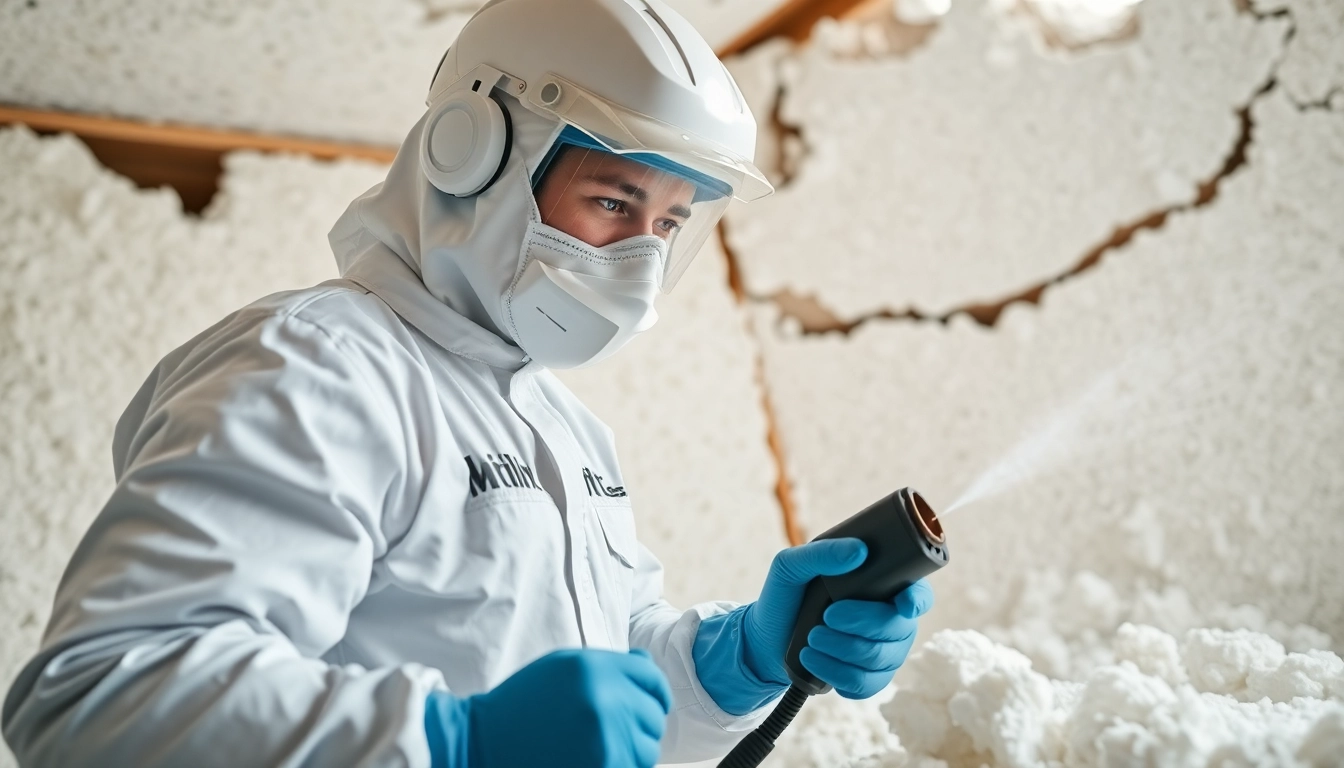
Understanding Spray Foam Removal Service
Spray foam insulation has gained a significant foothold in the construction and renovation industries for its versatility and excellent insulating properties. However, there comes a time when the need arises for removal, whether due to damaged insulation, homeowner preference, or health concerns. Understanding the spray foam removal service is crucial for maintaining the integrity of your living spaces.
What is Spray Foam?
Spray foam insulation is a type of foam that expands upon application. It adheres to surfaces, forming a solid barrier against air leaks, moisture, and pests. Typically composed of two components, isocyanate and polyol resin, spray foam can be found in open-cell or closed-cell varieties. Open-cell foam is less dense and commonly used for interior applications, while closed-cell foam offers higher insulation values and moisture resistance, making it suitable for exterior walls.
Why Choose a Professional Removal Service?
Choosing a professional removal service over a DIY approach is critical for several reasons. First and foremost, removing spray foam insulation can release harmful particles and chemicals into the air, posing health risks. Professionals are equipped with the right tools and protective gear to ensure safe removal. Furthermore, they have the expertise to identify the best methods for removing foam without damaging the surrounding structures. Proper disposal is another significant aspect; professional services follow strict regulations to ensure that hazardous materials are disposed of correctly.
Common Applications of Spray Foam
Spray foam insulation is widely used in residential and commercial settings. Common applications include:
- Attics: Effective for reducing heat loss or gain.
- Basements: Combats moisture and enhances structural integrity.
- Walls: Provides superior insulation and soundproofing.
- Crawl Spaces: Protects against pests and moisture infiltration.
Each of these applications benefits from spray foam’s unique properties, but as conditions change over time, the necessity for removal can arise.
Signs You Need Spray Foam Removal
Identifying the right time to consider spray foam removal is crucial for maintaining a healthy living environment. Here are several indicators that it may be time for a change.
Identifying Damaged Insulation
Damaged insulation can occur due to various factors, such as moisture intrusion, pest infestations, or structural settling. Signs of such damage may include:
- Visible cracks or gaps in the foam.
- Water stains or signs of mold in the vicinity.
- Unusual spikes in energy costs.
If you observe these signs, it’s essential to consult a professional who specializes in spray foam removal service to evaluate and address the problem.
Health Risks Associated with Neglected Foam
Neglecting damaged spray foam can lead to health complications. Spray foam contains harmful chemicals that can become airborne, leading to respiratory issues and allergic reactions. Common symptoms linked to exposure include:
- Coughing and sneezing.
- Skin irritation and rashes.
- Headaches and fatigue.
Understanding these risks emphasizes the importance of assessing the condition of insulation regularly and seeking professional help when necessary.
When DIY Isn’t an Option
While many homeowners take pride in their DIY skills, spray foam removal is not a task to undertake lightly. The complexity of the job requires specialized equipment and knowledge. Moreover, the potential for health risks and structural damage necessitates professional expertise to ensure a successful and safe removal process.
The Spray Foam Removal Process
Understanding the spray foam removal process can demystify what to expect and help prepare homeowners for the undertaking. This process typically involves several key steps.
Preparation Before Removal
Before the removal begins, proper preparation is vital to ensure safety and efficiency. Here’s how the process generally starts:
- Assessment: A thorough examination of the affected areas, often including moisture testing and structural integrity checks.
- Containment: Setting up containment measures to avoid spreading foam particles or dust during removal.
- Protection: Equipping workers with protective gear, including masks, gloves, and eye protection.
This stage is crucial as it lays the groundwork for a controlled and safe removal process.
Step-by-Step Guide to Removal
The actual removal process can vary based on the type of foam and its location, but it generally follows these steps:
- Cutting: Cutting into the foam with specialized tools.
- Extraction: Using industrial vacuums or scrapers to extract the foam without damaging the underlying surfaces.
- Disposal: Properly disposing of the removed foam according to local regulations.
Each step requires care and precision, ensuring that surrounding materials remain intact and that hazardous particles are adequately contained.
Post-Removal Cleanup and Safety Measures
Post-removal, it’s essential to ensure the area is clean and safe. Steps include:
- Cleaning the environment of dust and debris with HEPA vacuums.
- Conducting air quality tests to confirm removal of hazardous particles.
- Inspecting the area for any remaining issues.
Implementing thorough cleanup measures will enhance the safety and comfort of the space once the removal is complete.
Cost Factors Influencing Spray Foam Removal Service
The cost of hiring a professional for spray foam removal can vary widely based on several factors. Understanding these can help homeowners budget effectively for their insulation needs.
Average Costs for Removal Services
On average, the costs for spray foam removal services range from $1 to $3 per square foot, depending on the complexity of the job and the location of the insulation. Specific factors like the size of the area requiring removal and the type of foam used can heavily influence these baseline costs.
Factors Affecting Pricing
Several key factors will impact the overall cost of a spray foam removal service:
- Location: Remote areas may incur higher labor and transportation costs.
- Extent of Damage: More extensive issues will require more time and additional resources for safe removal.
- Disposal Fees: Compliance with local regulations for hazardous waste disposal can add to costs.
Understanding these factors ahead of time can lead to a more informed decision regarding services needed.
Budgeting for Professional Services
When planning a budget for spray foam removal, consider the averages provided, and add in a contingency for unexpected costs. It’s wise to obtain multiple quotes from different professionals and confirm what services are included in each estimate. By doing this, homeowners can ensure they are getting fair value for their investment while selecting quality services.
FAQs About Spray Foam Removal Service
How Long Does the Removal Process Take?
The removal process typically takes anywhere from a few hours to several days, depending on the area’s size and the extent of the insulation issue.
Are There Any Risks Involved in Removal?
Yes, potential risks include exposure to harmful chemicals and structural damage if not handled correctly. Professional services mitigate these risks with safety protocols.
Can I Reinstall New Insulation After Removal?
Yes, after the removal and assessments, homeowners can reinstall new insulation. Experts can provide recommendations based on the specific needs of the space.
How is the Removed Foam Disposed Of?
Removed foam is considered hazardous waste and must be handled and disposed of according to local regulations. Professionals ensure compliance in this process.
What Should I Do to Prepare My Home?
Preparing your home involves clearing the area of furniture and personal belongings, ensuring adequate ventilation, and communicating with the removal team about access and safety protocols.