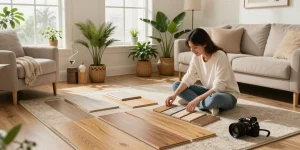
Choosing the Best LVP Flooring for Your Home Décor
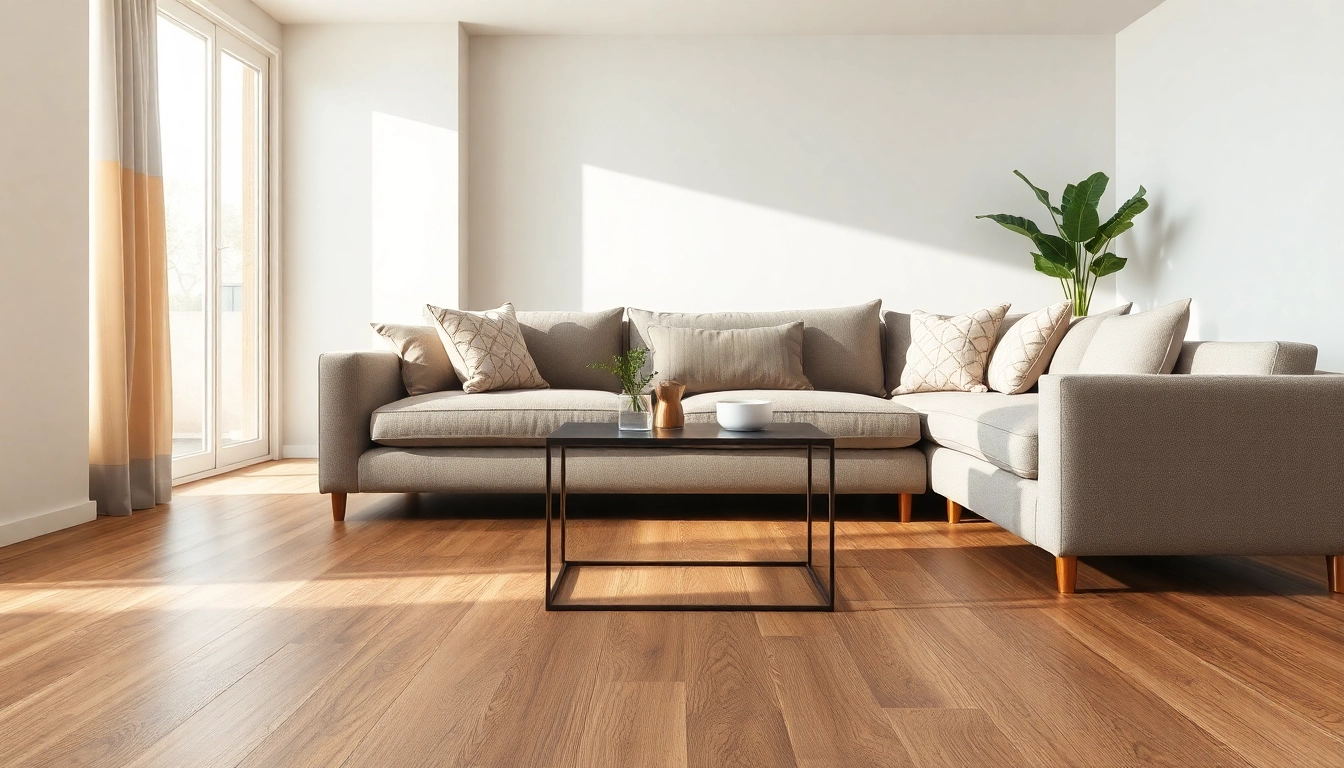
Introduction to Best LVP Flooring
When it comes to flooring options that combine beauty, durability, and affordability, best lvp flooring stands out as a leading choice for homeowners and designers alike. Luxury Vinyl Plank (LVP) flooring has surged in popularity, thanks to advancements in technology that have allowed it to mimic the look of natural materials while providing unmatched performance and versatility. In this comprehensive guide, we will explore everything you need to know about best lvp flooring, helping you make an informed choice for your space.
What is LVP Flooring?
Luxury Vinyl Plank (LVP) flooring is a man-made flooring material designed to provide an aesthetic similar to hardwood or stone with added benefits. It consists of several layers—typically a backing layer for stability, a core layer for durability, a printed design layer to create realistic visuals, and a wear layer to protect against scratches and stains. This multi-layer construction makes LVP flooring a robust and versatile option for various environments, from homes to commercial spaces.
Benefits of Choosing Best LVP Flooring
- Water Resistance: LVP is naturally resistant to moisture, making it suitable for bathrooms, kitchens, and basements where traditional wood would warp.
- Durability: The wear layer protects against scratches, dents, and stains, contributing to a long lifespan.
- Easy Maintenance: Regular sweeping and occasional mopping keep LVP looking great without the need for refinishing or special cleaners.
- Design Variety: LVP comes in a wide range of styles, colors, and textures, effortlessly fitting any décor style.
- Cost-Effective: Best LVP flooring provides the look of high-end materials at a fraction of the cost.
Common Misconceptions about LVP Flooring
Despite its popularity, many myths surround LVP flooring. One common misconception is that LVP cannot be repaired if damaged. In reality, planks can often be replaced individually without needing to replace the entire floor. Another misconception is that LVP isn’t eco-friendly; however, many manufacturers create LVP using recycled materials and low-VOC processes, making it a sustainable choice.
Key Features of Best LVP Flooring
Durability and Resilience
Durability is perhaps the most significant feature of best lvp flooring. The thick wear layer protects against scratches and impacts, ensuring that the flooring retains its appearance over time. This resilience is particularly beneficial for high-traffic areas in homes and businesses. In fact, high-quality LVP flooring can last upwards of 25 years, depending on wear and maintenance.
Design Versatility
One of the most appealing aspects of LVP flooring is its versatility in design. With countless options available, homeowners can choose from a variety of styles—from rustic hardwood looks to sleek, modern tiles. This adaptability allows you to create cohesive interiors regardless of your design preference, whether traditional, contemporary, or something unique.
Cost-Effectiveness
Best lvp flooring provides an incredibly cost-effective solution for homeowners looking to upgrade their flooring. Compared to traditional hardwood or stone, LVP is generally less expensive, both in terms of material costs and installation. Furthermore, its longevity and low maintenance needs contribute to its overall value, making it a wise investment for any home.
Installation Process for Best LVP Flooring
Preparation Steps
Proper preparation is key to ensuring your LVP flooring is installed correctly and lasts for many years. Start by measuring the room to determine how much material you’ll need. Next, ensure that the subfloor is clean, dry, and level. Any imperfections—such as bumps or cracks—should be repaired to create a smooth basis for your new flooring.
DIY vs. Professional Installation
While many homeowners opt for a DIY approach when installing best lvp flooring due to its manageable weight and click-lock technology, there are merits to hiring a professional. Professionals bring expertise that can save time and avoid common installation pitfalls, especially in larger or more complex areas. Assess your skills and comfort level before deciding on the best route for your project.
Post-Installation Care
Once your LVP flooring is installed, maintain its beauty by following a simple care routine. Regularly sweeping or vacuuming to remove dirt and debris is essential. For deeper cleaning, use a damp mop with a mild cleaner specifically designed for vinyl flooring. Avoid harsh chemicals or abrasive tools to maintain the integrity of the floor’s finish.
Comparing Best LVP Flooring with Alternatives
LVP vs. Traditional Hardwood
While traditional hardwood flooring offers timeless beauty, it comes with significant downsides, including susceptibility to scratches, dents, and moisture damage. In contrast, best lvp flooring mimics the look of hardwood while providing superior durability and water resistance, making it an excellent alternative for busy households.
LVP vs. Laminate Flooring
Both LVP and laminate flooring are affordable alternatives to hardwood; however, LVP offers greater water resistance. Laminate typically lacks the flexibility and cushioning of LVP, making it less comfortable underfoot. Furthermore, LVP is available in many designs that more authentically replicate natural materials, giving it a distinct edge over laminate options.
Environmental Impact of LVP
As environmental awareness grows, many homeowners seek flooring options that are sustainable and eco-friendly. Best lvp flooring can be produced using recycled materials, and many products are free from harmful chemicals. Additionally, LVP’s long lifespan reduces the need for frequent replacements, making it a responsible choice for those looking to minimize their ecological footprint.
FAQs about Best LVP Flooring
How long does LVP flooring last?
Best LVP flooring can last up to 25 years or more with proper maintenance, making it a long-lasting choice for many homeowners.
Can LVP flooring be installed in wet areas?
Yes, LVP flooring is water-resistant and suitable for wet areas like bathrooms and kitchens, providing peace of mind against moisture damage.
What’s the maintenance routine for LVP flooring?
Regular sweeping and occasional mopping with a recommended cleaner will keep your LVP flooring looking great, eliminating dirt and grime effectively.
Is LVP flooring eco-friendly?
Many LVP brands use recycled materials and are produced without harmful chemicals, making them an eco-friendly choice for flooring.
Can I install LVP over existing flooring?
Yes, LVP can often be installed over existing hard flooring, as long as the surface is flat, stable, and free from moisture.