5 Hard Truths About Best Engineered Wood Floors for Homes in 2026
Understanding Engineered Wood Flooring
When it comes to flooring options, homeowners often find themselves torn between laminate and engineered wood. The choice can be particularly challenging in the UK, where the climate and lifestyle preferences significantly influence decision-making. Engineered wood flooring has become increasingly popular due to its authentic appearance and structural integrity. It is essential for prospective buyers to grasp the nuances of this flooring type, especially when exploring options like the best engineered wood floors for homes.
What is Engineered Wood Flooring?
Engineered wood flooring consists of a top layer of real hardwood veneer that is adhered to multiple layers of high-quality plywood or fiberboard. This construction method not only provides the appealing aesthetics of solid wood but also enhances stability and durability. Unlike solid hardwood, engineered wood is less susceptible to moisture and temperature fluctuations, making it suitable for various environments.
Key Benefits of Engineered Wood for Homes
- Aesthetic Appeal: The top layer offers an authentic wood look that can enhance the beauty of any room.
- Durability: Engineered wood is designed to withstand everyday wear and tear, making it a practical choice for busy households.
- Eco-Friendly Options: Many manufacturers use sustainable practices, making it a more environmentally friendly flooring choice.
- Versatile Installation: Engineered wood can be installed over various subfloors, including concrete, providing flexibility for different home types.
Comparing Engineered Wood to Other Flooring Options
When evaluating engineered wood against other flooring types, such as laminate and vinyl, it’s crucial to consider aspects like maintenance, longevity, and cost. While laminate flooring offers a budget-friendly option, it lacks the authenticity and resilience found in engineered wood. Vinyl, while also water-resistant, does not provide the same level of elegance and warmth as engineered wood. Overall, engineered wood stands out for those seeking a balance of beauty and durability.
Evaluating the Best Engineered Wood Floors for Homes
Top Features to Consider When Choosing
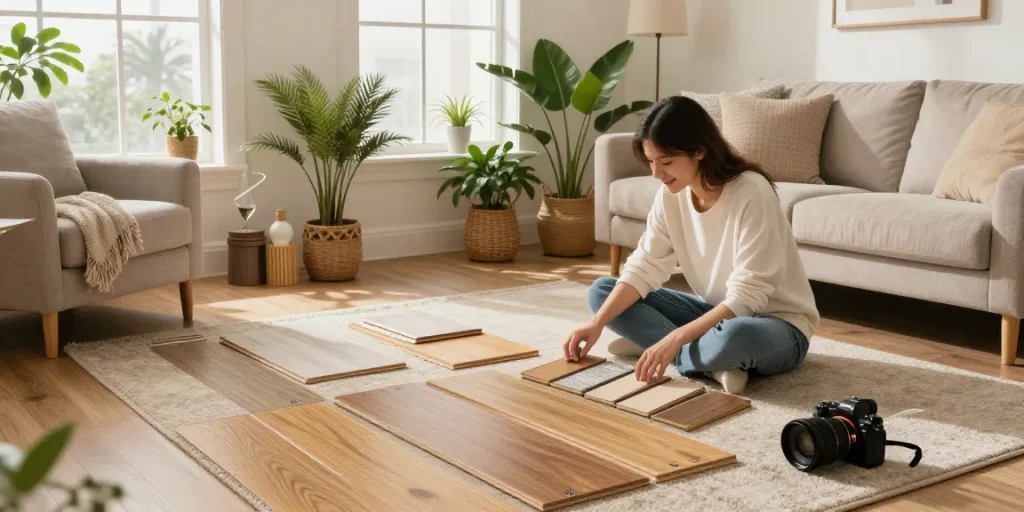
Choosing the best engineered wood floors involves several factors. Homeowners should prioritize features such as thickness, finishes, and warranty. Thicker veneers provide more options for refinishing, while various finishes can enhance the wood’s natural beauty and protect against scratches. A robust warranty can also serve as a testament to the product’s quality and longevity.
Popular Brands of Engineered Wood in 2026
As of 2026, several brands have made a name for themselves in the engineered wood market. Notable mentions include:
- Bona: Known for their sustainable practices and high-quality finishes.
- Quick-Step: Offers a diverse range of designs that suit modern and classic interiors alike.
- Pergo: Renowned for its durability, making it a go-to choice for families.
Price Considerations and Budgeting
The cost of engineered wood flooring varies widely depending on the brand, thickness, and style. On average, homeowners can expect to pay between £30 to £70 per square meter, including the cost of installation. However, investing in higher-quality options may provide better long-term value, especially in terms of durability and aesthetics.
Installation and Maintenance of Engineered Wood Flooring
DIY vs. Professional Installation: Pros and Cons
One of the critical decisions when installing engineered wood flooring is whether to go the DIY route or hire a professional. DIY installation can save money, but it requires a certain level of skill and tools. On the other hand, professional installers ensure a high-quality finish and can often complete the job much faster. Weighing the pros and cons can help homeowners make the best choice for their situation.
Essential Maintenance Tips for Longevity
To extend the lifespan of engineered wood flooring, homeowners should follow these maintenance tips:
- Regular Cleaning: Sweep or vacuum regularly to remove dust and debris.
- Spills and Moisture: Wipe spills immediately to prevent water damage.
- Use Protective Pads: Place felt pads under furniture legs to prevent scratches.
Common Installation Mistakes to Avoid
Many homeowners make mistakes during installation that can lead to future problems. Common pitfalls include:
- Ignoring Acclimation: Failing to acclimate the flooring to the room’s humidity can result in warping.
- Poor Underlayment Choice: Choosing the wrong underlayment can affect stability and sound absorption.
- Incorrect Expansion Gaps: Not leaving adequate space for expansion can lead to buckling.
Design Trends for Engineered Wood Floors in 2026
Popular Colors and Finishes This Year
As we move through 2026, popular trends in engineered wood flooring include natural hues such as greys, whites, and earthy tones. Many homeowners opt for matte finishes that provide a contemporary, understated elegance while still showcasing the wood’s natural grain. Distressed finishes are also making a comeback, offering a rustic charm that appeals to many.
How to Match Engineered Wood with Home Decor
When integrating engineered wood into a home’s design, it’s vital to consider existing decor elements. Lighter wood tones pair beautifully with modern decor, while darker shades complement traditional styles. Additionally, area rugs can enhance the aesthetic, provide contrast, and define spaces within open floor plans.
Innovative Ideas for Using Engineered Wood in Your Home
Engineered wood flooring is versatile, and homeowners are finding creative ways to utilize it throughout their spaces. For example, incorporating engineered wood as wall paneling can add warmth and texture. Additionally, it works well in unexpected areas such as kitchens and bathrooms when properly sealed against moisture.
Frequently Asked Questions About Engineered Wood Flooring
What are the best engineered wood floors for humid climates?
In humid climates, choosing engineered wood with a higher density core is advisable, ensuring durability and resistance to moisture. Brands like Quick-Step offer products designed specifically for such conditions.
How does engineered wood compare to laminate flooring?
While both options provide a wood-like appearance, engineered wood offers greater longevity and can be refinished, unlike laminate, which typically cannot be sanded down.
Can engineered wood be refinished?
Yes, one of the significant advantages of engineered wood is that it can be refinished, depending on the thickness of the veneer. This feature allows homeowners to refresh their floors without complete replacement.
What is the lifespan of engineered wood floors?
With proper care, engineered wood floors can last 20 to 30 years. Factors like maintenance, traffic levels, and quality of the material all influence longevity.
Are engineered wood floors environmentally friendly?
Many engineered wood floors are sourced from sustainable forests and manufactured using eco-friendly practices, making them a more environmentally conscious choice compared to solid hardwood.