Understanding the Essentials of a Sunroom
What is a Sunroom?
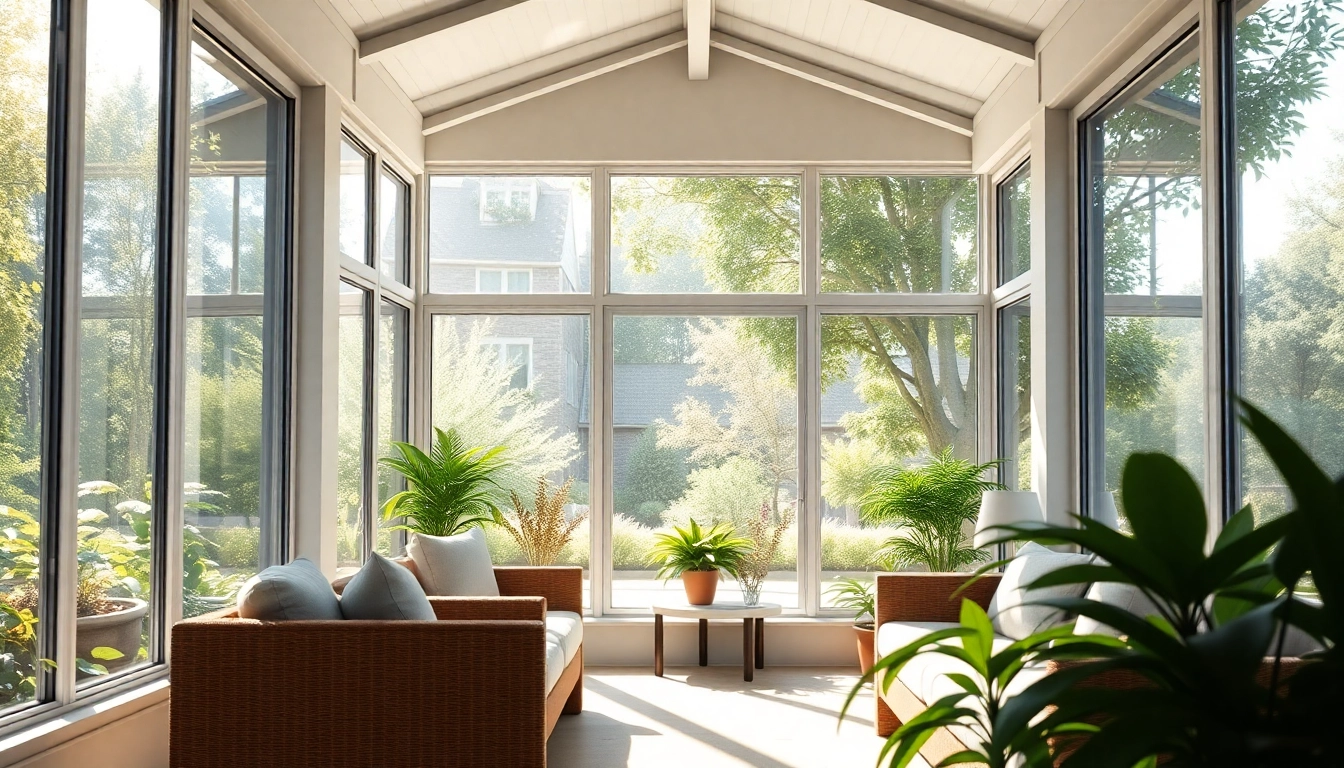
A sunroom is a dedicated space in a home designed to bring the outdoors in while providing comfort and protection from the elements. Typically glass-enclosed and attached to the main structure, a sunroom combines the beauty of the natural environment with the advantages of indoor living. Often referred to as a solarium, garden room, or sun porch, this space allows for abundant natural light and stunning outdoor views, creating a perfect spot for relaxation, entertaining, or even work. A well-constructed sunroom can seamlessly blend with your home's existing architecture, increasing its aesthetic appeal and functionality.
Benefits of Adding a Sunroom
The advantages of integrating a sunroom into your home are manifold. Firstly, sunrooms facilitate a connection with nature, making them ideal for plants and indoor gardening. They also enhance the usability of your living space, serving various functions such as family rooms, dining areas, or hobby spaces. Additionally, sunrooms can improve your home’s energy efficiency, especially when designed with insulated glass. This not only helps maintain comfortable temperatures but can also lower your heating and cooling costs. The addition of a sunroom also has the potential to increase your property value, making it an investment that pays off in the long run.
Common Types of Sunrooms
Sunrooms come in various styles, each catering to different aesthetic preferences and functional needs. The commonly recognized types include:
- Four-Season Sunroom: Designed for year-round use, it includes heating and cooling elements, making it usable regardless of the season.
- Three-Season Sunroom: Typically less insulated than a four-season space, this version is ideal for spring, summer, and autumn use.
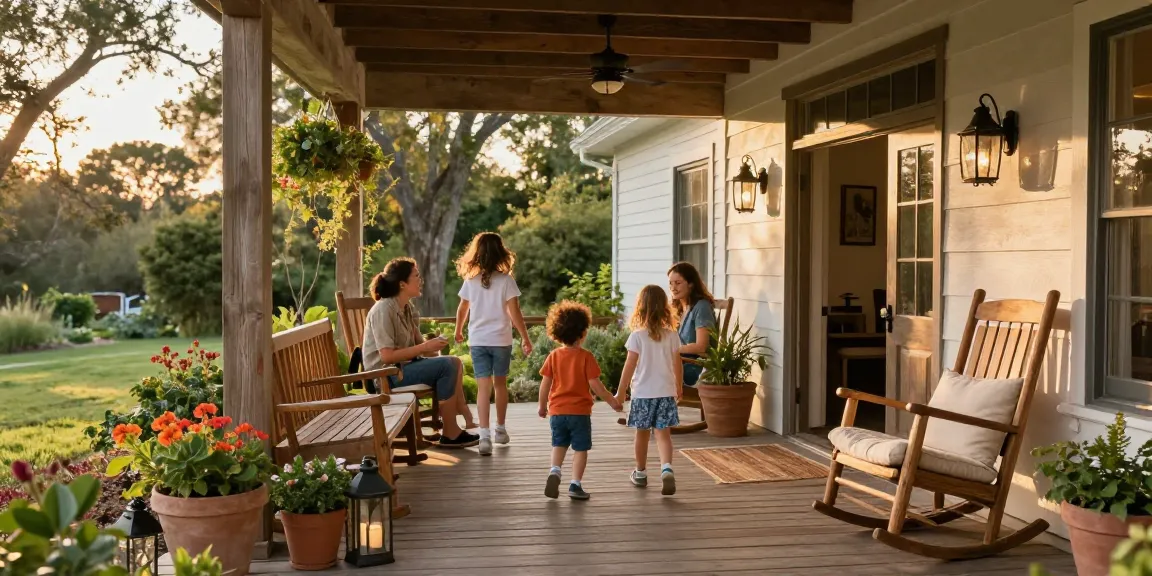
- Screened-In Porch: While not fully enclosed, a screened-in porch allows airflow while keeping insects at bay. It's great for enjoying warm weather.
- Conservatory: This type emphasizes plants and botanical aesthetics, often featuring a glass roof and ornate designs, perfect for garden enthusiasts.
Designing Your Ideal Sunroom
Layout Considerations for a Functional Space
When planning your sunroom design, layout plays a critical role in maximizing space and functionality. Considerations may include window placement for optimal light exposure, the traffic flow entering the room, and how the space interacts with adjacent rooms. A circular arrangement can promote conversation and openness, whereas a more linear layout may serve better for dedicated activities such as dining or hobbies. You might also contemplate features like built-in seating or shelving to create a personalized touch.
Choosing the Right Materials
The materials selected for your sunroom will not only affect its look but also its energy efficiency and maintenance needs. Common materials include:
- Glass: The most essential component, it’s vital to choose insulated or low-E glass for energy efficiency.
- Frames: Options range from aluminum, which is lightweight and low-maintenance, to wood, providing a classic aesthetic but requiring more upkeep.
- Roofing: The roof does more than protect; it can enhance light penetration and be designed as a glass structure for a fully immersive experience.
Decor and Furniture Options
When furnishing your sunroom, opt for a blend of functionality and comfort. Invest in weather-resistant furniture to withstand varying humidity levels. Soft, light fabrics can complement the natural light and create an inviting atmosphere, while durable rugs can add warmth to the floor. Consider incorporating plants, which not only enhance the décor but also purify the air. Additionally, flexible layouts that allow for both lounging and active use will help you get the most out of your sunroom.
Financial Aspects of Building a Sunroom
Costs Involved in a Sunroom Addition
Adding a sunroom to your home can be a financial commitment, with costs varying widely based on size, materials, and complexity. A basic structure can range from $15,000 to $50,000, while more intricate designs or custom features can escalate the costs to $50,000 and beyond. It’s important to establish a budget early on and to discuss options with contractors to find the best fit for your financial situation.
Factors Affecting Sunroom Prices
Several factors contribute to the overall cost of building a sunroom. These include:
- Size: Larger sunrooms require more materials and labor, naturally increasing costs.
- Materials: High-quality, energy-efficient materials will affect your bottom line but can save money long-term on energy bills.
- Location: Local building codes and permit requirements can also influence the total cost, with some areas having stricter regulations than others.
Financing Options for Your Sunroom Project
When it comes to financing a sunroom addition, various options exist, including home equity loans, personal loans, and construction financing. Each option has its pros and cons, so researching them thoroughly will ensure you select the best fit for your financial circumstances. Additionally, it's beneficial to check for any local grants or incentives that may help offset costs, particularly those focused on energy efficiency.
Enhancing Your Sunroom’s Functionality
Heating and Cooling Solutions
To ensure that your sunroom is comfortable year-round, it’s crucial to integrate effective heating and cooling solutions. Options include:
- Electric Baseboard Heaters: These are easy to install and effective for small spaces.
- Mini-Split Systems: Known for both heating and cooling capabilities, these units are energy-efficient and offer flexibility.
- Ceiling Fans: A great option to circulate air and help regulate temperatures naturally.
Incorporating Smart Technology
Smart technology can significantly enhance the functionalities of your sunroom. Elements like smart thermostats will allow you to maintain optimal temperatures remotely. Automated shades or blinds can adjust based on sunlight exposure, thus enhancing energy efficiency. Furthermore, integrating LED lighting that can be controlled via smartphone apps will create various ambiances, catering to different moods and activities.
Lighting Design for Different Ambiances
Illumination in a sunroom should not only mimic natural light but also provide versatility in mood settings. Layered lighting can help achieve this effect. Incorporate three types of lighting:
- Ambient Lighting: Recessed ceiling lights can provide general illumination.
- Task Lighting: Consider floor or table lamps for specific activities like reading or crafts.
- Accent Lighting: Use LED strip lights to highlight architectural features or artwork.
Frequently Asked Questions about Sunrooms
How Much Does a Typical Sunroom Cost?
The cost of a typical sunroom varies greatly, ranging from $15,000 to over $50,000, depending on size, materials, and design complexity.
Do You Need a Permit for a Sunroom?
Yes, you typically need a permit to construct a sunroom, as it is considered an addition to your home. Check local regulations for specifics.
What Maintenance is Required for a Sunroom?
Maintenance can include cleaning the glass and frames, checking seals for leaks, and ensuring heating and cooling systems function properly.
Can My Sunroom Be Used Year-Round?
A four-season sunroom is designed for year-round use, equipped with proper insulation and HVAC systems to maintain comfort in all seasons.
What Design Styles Are Best for a Sunroom?
Transitional designs that blend traditional and contemporary styles work well, as do modern minimalistic styles that focus on open space and natural light.