Understanding the Office Movers Landscape in 2026
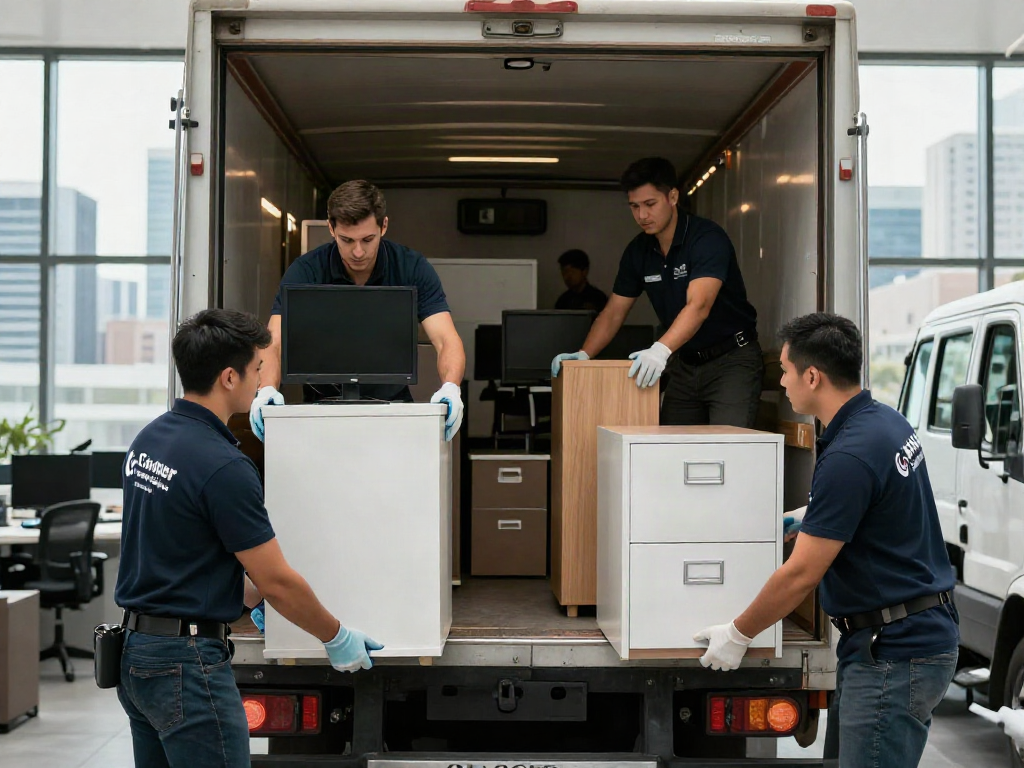
As we advance into 2026, the landscape for office movers is transforming rapidly, responding to the evolving dynamics of work environments and employee expectations. With businesses prioritising agility and efficiency, the need for professional moving services that ensure smooth transitions is more critical than ever. When exploring options, office movers are stepping up to meet the challenges posed by modern relocations, focusing not only on logistics but also on the overall employee experience during transitions.
Key Trends Shaping Office Relocation Services
Modern office moving services are adapting to several key trends that are shaping the industry. One of the most significant shifts is the move towards flexible workplaces. Companies are increasingly seeking to create adaptable office spaces that can accommodate a variety of working styles. This trend necessitates comprehensive planning from office movers, as the physical space must be efficiently utilised, ensuring that employees can transition smoothly with minimal downtime.
- Remote Work Integration: A rise in hybrid workplaces means movers must consider the storage and transportation of not just office furniture but also technology and equipment that are used in dispersed settings.
- Customised Solutions: Movers are now offering tailor-made packages that focus on the specific needs of clients, which not only include traditional moving services but also packing, setup, and post-move support.
- Employee-Centric Services: Understanding that an office move can be stressful, more companies are prioritising employee-centric policies, providing support systems and clear communication throughout the process.
The Role of Sustainability in Moving Practices
Sustainability has become a focal point for businesses and service providers alike, and office movers are increasingly adopting eco-friendly practices. This trend is evident in the use of recyclable packing materials, energy-efficient moving vehicles, and strategies designed to reduce waste during the moving process. For many companies, choosing a sustainable moving partner is crucial not just to reduce their carbon footprint but also to enhance their corporate social responsibility profiles.
Technological Advancements for Seamless Moves
Technology plays a pivotal role in modernising the moving experience. From advanced inventory management systems that track packages in real-time to virtual consultations that help businesses plan their moves more effectively, the integration of technology is transforming how office relocations are conducted. Furthermore, augmented reality (AR) is being utilised to visualise new office layouts before the physical move, ensuring optimal workflow and space utilisation.
Best Practices for Choosing Office Movers
Selecting the right office movers is crucial for a successful relocation. To make an informed choice, businesses must conduct thorough research and evaluate several factors before finalising a decision.
Evaluating Credentials and Customer Reviews
Before hiring an office moving service, it's essential to verify their credentials and examine customer testimonials. Look for movers with relevant accreditations and positive feedback from previous clients. Online platforms, such as review websites and social media, can provide valuable insights into a mover's reliability and service quality.
Understanding Pricing Models and Hidden Costs
Pricing models in the moving industry can vary significantly, and understanding these is critical to avoiding unexpected expenses. Ensure to ask for a detailed breakdown of costs, including transportation, labour, packing supplies, and any potential fees for delays or special handling of equipment. Transparent pricing will help businesses budget effectively for their moves.
Importance of Insurance and Liability Coverage
Every business should consider the implications of potential damages during the moving process. Ensuring that the selected moving company offers comprehensive insurance and liability coverage can safeguard valuable office assets. It's advisable to clarify the terms of the insurance policy upfront to understand what is covered and under what circumstances.
Preparing for a Successful Office Move
A successful office move is largely influenced by how well the transition is planned and executed. Creating a comprehensive move plan is essential to streamline the relocation process.
Creating a Comprehensive Move Plan
Developing a detailed moving plan involves outlining timelines, assigning roles, and establishing a communication strategy. This plan should encompass everything from notifying employees and stakeholders to setting up new utilities and services at the new location.
Involving Employees in the Relocation Process
Involving employees in the moving process can significantly reduce stress and increase buy-in for the changes. Consider creating a moving committee that includes representatives from various departments. This approach ensures that all areas of the business are considered during the move and can help address unique needs.
Essential Packing Tips for a Smooth Transition
Effective packing is key to a successful move. Encourage employees to declutter their workspaces and determine what needs to be transported. By utilising labelled boxes and protective materials, businesses can safeguard equipment and streamline unpacking in the new office environment.
Ensuring Safety During Office Relocations
Safety should be a top priority during any office relocation. Implementing effective safety protocols can protect both employees and valuable equipment during the moving process.
Safety Protocols for Movers and Employees
Establishing clear safety protocols for both movers and employees is essential. This includes ensuring that movers are trained in safe lifting techniques and that employees are aware of their roles during the move. Conducting a safety briefing prior to the move can help mitigate risks and promote a safe environment.
Handling Fragile and Sensitive Equipment
Special care should be taken when moving fragile or sensitive equipment, such as computers and medical devices. Use appropriate packing materials and methods to protect these items during transport. Additionally, it may be worth consulting with the moving company to discuss specific handling procedures for delicate equipment.
Post-Move Safety Checks and Evaluations
Once the move is complete, conducting safety checks and evaluations in the new office space is crucial. This can include ensuring that all equipment is set up correctly, checking for any hazards, and ensuring that emergency exits are accessible.
Future-Proofing Your Office Moving Strategy
As the work landscape continues to evolve, businesses must future-proof their office moving strategies to adapt to emerging trends and challenges.
Adopting Flexible Moving Solutions
With the rise of hybrid working environments, incorporating flexible moving solutions that accommodate changing office layouts and employee needs can lead to more successful relocations in the future. This flexibility will help businesses respond quickly to market demands.
Leveraging Data for Improved Logistics
Utilising data analytics can significantly enhance logistics during office moves. By analysing past moves, companies can identify patterns and make informed decisions that optimise the moving process. Data-driven insights can lead to more efficient resource allocation and improved overall experience.
Preparing for Future Workplace Trends
Anticipating future workplace trends, such as the shift towards remote work or coworking spaces, can help inform a company’s office moving strategy. Being proactive allows businesses to be better prepared for future relocations and changes in workplace dynamics.
What are the typical costs associated with hiring office movers?
Understanding the typical costs associated with hiring office movers involves knowing that many factors influence pricing. Costs can vary based on the distance of the move, the volume of items being relocated, and the level of service required. Generally, businesses should budget for transportation, labour, packing supplies, and any additional services needed.
How can I ensure my equipment is safe during the move?
To ensure that your equipment is safe during the move, invest in high-quality packing materials and work with professional movers who understand how to handle delicate items. Conducting a pre-move inventory can help track your equipment, making it easier to identify any potential losses during the move.
What should I look for in a moving company?
When selecting a moving company, look for experience, positive customer reviews, and transparent pricing. Ensure they have the necessary certifications and insurance. Engaging with them through consultations can also help assess their customer service and responsiveness.
How do I prepare my office space for movers?
Preparing your office space for movers entails ensuring that pathways are clear, relevant permits are secured, and all essential utilities are set up in advance. Proper coordination with the moving team will facilitate a smoother transition.
What technology can assist in the office moving process?
Several technologies can assist in office moving processes, including inventory management systems, project management tools, and AR applications for layout planning. Embracing these technologies can streamline operations, improve communication, and enhance the overall moving experience.