
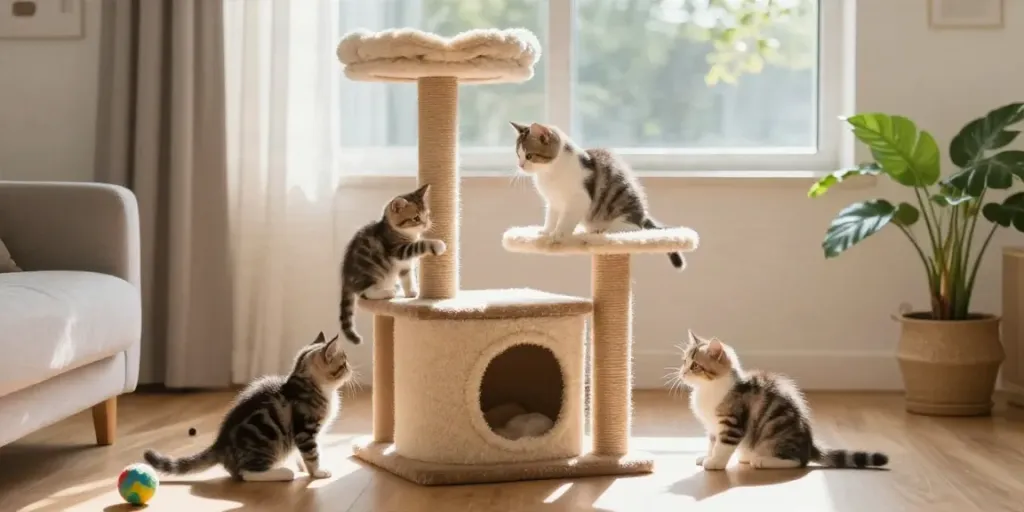
Understanding the Importance of a Cat Tree
For cat owners, providing an enriching environment for their feline friends is often a primary concern. One of the best ways to achieve this is through the use of a cat tree. These multi-level structures not only offer your cat a space to play and explore, but they also serve several crucial functions that contribute to their overall well-being. In this article, we will delve into why cats need vertical space, the psychological benefits of cat trees, and how these products promote healthy behaviors.
Why Cats Need Vertical Space
Cats are natural climbers and hunters, and they require vertical space to fulfill their instinctual needs. Vertical territories allow them to observe their surroundings, feel secure, and engage in natural behaviors without the risk of being in an open, vulnerable position. By placing a cat tree in your home, you provide your pet with a safe haven to leap, climb, and perch—transforming any room into a vertical playground.
The Psychological Benefits of Cat Trees
In addition to satisfying the need for physical activity, cat trees can significantly enhance a cat's mental health. Cats that are given opportunities to engage in climbing and exploration are less likely to exhibit signs of stress or boredom, which can lead to destructive behavior. A well-designed cat tree can offer a space for your cat to retreat, sleep, and observe, thus providing them with a sense of security and mental stimulation.
How Cat Trees Promote Healthy Behavior
Providing your cat with a designated climbing and play structure encourages exercise, which contributes to a healthier weight and prevents obesity-related issues. Moreover, cat trees often come with scratching posts that promote healthy claw maintenance and can prevent your furniture from becoming a casualty of your cat's scratching instincts. By encouraging play and exercise, cat trees play a vital role in maintaining your cat's physical health.
Choosing the Right Cat Tree
Picking the perfect cat tree can feel overwhelming due to the variety of options available. However, understanding your cat's needs and your home requirements can simplify the selection process. It's essential to consider factors such as size, material, and overall design.
Factors to Consider When Buying a Cat Tree
When selecting a cat tree, consider the following factors:
- Size: Ensure the tree fits well in your space and accommodates your cat’s size and weight.
- Stability: A stable tree will prevent accidents during playtime.
- Height: Taller trees allow for more climbing and exploration opportunities.
- Accessibility: Consider including ramps or steps for older or less agile cats.
Popular Materials and Their Implications
Cat trees are typically made from various materials, including wood, particleboard, carpet, and faux fur. Wooden trees are usually more durable and aesthetically pleasing but can be pricier. In contrast, those made from particleboard may provide a budget-friendly option but can wear down faster. Selecting high-quality materials will not only ensure longevity but also promote safety for your pet.
Size and Style: Finding the Best Fit for Your Home
In addition to functionality, a cat tree should complement your home decor. Today, there are many stylish designs available, from modern minimalist structures to more traditional styles. Assess your available space, and think about how the cat tree can blend into your home while providing your cat with an enriching environment.
Maintaining Your Cat Tree for Longevity
Once you’ve invested in a cat tree, maintaining it properly is essential to ensure its longevity. Regular care not only keeps the tree looking good but also provides a safe environment for your feline friend.
Regular Cleaning and Upkeep Guide
Cat trees can collect hair, dirt, and other debris. Regular cleaning is necessary to maintain hygiene. Vacuum the surfaces and use pet-safe cleaners to wipe down the materials. Check for any loose parts or wear and tear, especially in high-traffic areas.
Identifying Wear and Tear on Cat Trees
Common signs of wear include frayed fabric, loose screws, and unstable platforms. Regularly inspect your cat tree, especially after rough play sessions, to ensure it remains safe and intact. Addressing issues promptly can prevent injuries and extend the life of the tree.
How to Properly Reupholster or Repair a Cat Tree
If your cat tree shows signs of wear, consider reupholstering it with fresh fabric to give it new life. Choose durable materials that are easy to clean, ensuring they are safe for your pets. For structural repairs, consult the manufacturer if applicable or use wood glue or screws to reinforce weak areas.
Common Misconceptions About Cat Trees
Despite their popularity, there are many misconceptions surrounding cat trees that can lead to confusion for cat owners. Here we clarify some of these common myths.
Do All Cats Need a Cat Tree?
While not every cat may gravitate toward a cat tree, most cats benefit from having a designated area to climb, scratch, and explore. Especially in multi-cat households, a cat tree can provide necessary outlets for play and reduce territorial disputes.
Are Expensive Cat Trees Worth It?
Higher-priced cat trees often come with improved materials, durability, and design. Investing in a quality cat tree can be worth it in the long run, offering a safer and more enjoyable experience for your cat.
Myths About Cat Tree Safety
Many cat owners worry about the safety of cat trees, especially concerning tipping over or collapse. Modern cat trees are designed with stability in mind, but choosing a well-constructed option and regularly checking for wear will provide peace of mind.
Future Trends in Cat Tree Designs (2026 and Beyond)
As we move further into 2026, innovations in cat tree designs are set to take the industry by storm. Here are some emerging trends that cat owners should keep an eye on.
Eco-Friendly and Sustainable Options
With growing awareness of sustainability, many manufacturers are now offering eco-friendly cat trees made from recycled or renewable materials. These products not only benefit the environment but can also appeal to conscious consumers seeking sustainable home decor.
Technological Innovations in Cat Furniture
Smart cat trees that integrate technology, such as built-in sensors or interactive components, are becoming more popular. These features can provide additional stimulation for cats and are designed to enhance the interaction between pets and their owners.
Trends in Aesthetic Design for Cat Trees
Today's cat trees are moving away from the traditional, bulky designs to create sleek, aesthetically pleasing structures that can blend seamlessly into modern homes. Homeowners can select from a variety of styles, colors, and shapes to suit their personal tastes.