
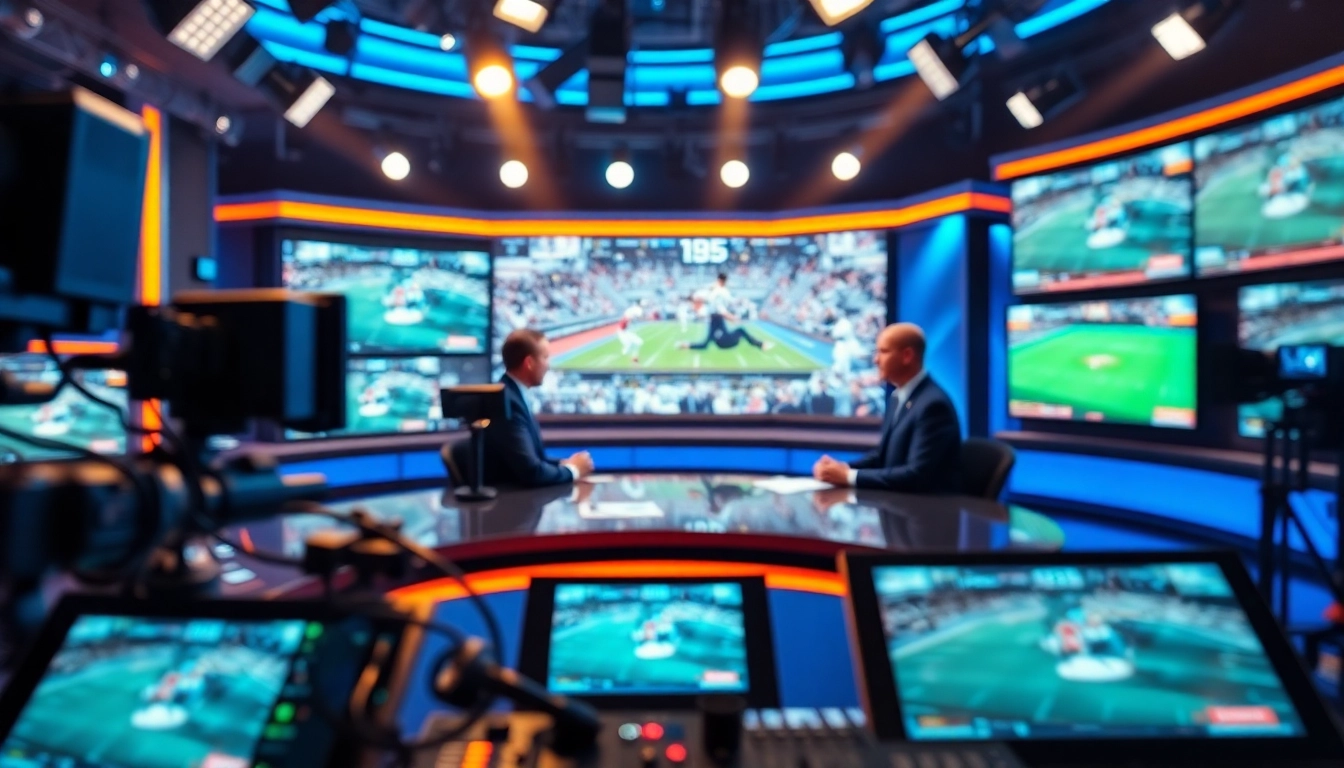
Understanding the Fundamentals of Sports Broadcasting
Sports broadcasting is more than just transmitting live games; it encompasses a broad spectrum of activities that connect fans with their favorite sports. As the industry evolves, understanding its fundamentals becomes crucial for aspiring broadcasters and sports enthusiasts alike. This article will delve into the intricacies of Sports Broadcasting, examining its definition, evolution, and the importance of engaging audiences effectively.
Defining Sports Broadcasting
Sports broadcasting refers to the dissemination of live or recorded sports events through various media platforms, including television, radio, and online streaming. The primary goal is to entertain, inform, and engage sports fans, providing insights into the game, interviews with players, and analysis of the action. The broadening of digital platforms over the last few decades has transformed how sports are consumed, creating diverse opportunities to reach wider audiences and tap into different demographics.
The Evolution of Broadcasting Techniques
The evolution of sports broadcasting has been remarkable, paralleling advancements in technology. From the early days of radio broadcasts to today’s high-definition live streams, each technological advancement has significantly enhanced the viewer experience. Early sports broadcasts were rudimentary, offering play-by-play commentary without visuals. However, with the introduction of television in the mid-20th century, audiences began enjoying the action in real-time, a transformation that set the foundation for how we consume sports today.
In recent years, the introduction of digital streaming platforms and social media has revolutionized the industry yet again. Fans can now watch games, replays, and highlights on their devices anytime and anywhere. Moreover, the rise of augmented and virtual reality technologies opens new dimensions for viewer engagement.
The Importance of Audience Engagement
Engaging audiences is the cornerstone of successful sports broadcasting. Identifying target demographics, understanding their preferences, and actively involving them creates a loyal fan base. Engagement extends beyond merely broadcasting games; it involves interacting with viewers through social media, hosting live events, and providing exclusive content that resonates with fans.
Moreover, incorporating viewer feedback into programming can enhance the broadcasting experience. Polls, comment sections, and social media interactions allow broadcasters to gauge audience sentiment, leading to tailored content that viewers appreciate.
Key Technologies in Sports Broadcasting
Equipment Essentials for Quality Broadcasts
Quality broadcasting hinges on the right equipment. Cameras, microphones, and broadcasting software are integral to producing high-quality content. High-definition cameras with excellent zoom capabilities ensure that viewers catch every detail during a game. Additionally, wireless microphones allow commentators to move freely and capture clear audio, essential for conveying the energy and intensity of sports events.
Broadcasting requires significant infrastructure, including transmission equipment and studios designed for optimal sound and video quality. The choice of equipment can significantly influence viewer satisfaction and the overall professional appearance of the broadcast.
Software Solutions for Broadcasting
Modern broadcasting relies heavily on specialized software to manage various operational aspects. Live-streaming platforms, video editing software, and graphics engines are vital in producing engaging broadcasts. Software solutions provide tools for real-time analytics, allowing broadcasters to track viewer engagement and make data-driven decisions aimed at enhancing content.
Moreover, software can facilitate graphics overlays that provide essential game statistics and information, enriching the viewer experience and maintaining audience interest throughout the event.
Future Technologies in Sports Broadcasting
As technology continues to advance, the future of sports broadcasting looks promising. Innovations like 5G connectivity will enable smoother streaming, supporting multiple devices during live events. Enhanced data analytics will allow real-time performance tracking and improve the fan experience through personalized content delivery based on viewer preferences.
Moreover, artificial intelligence (AI) will play an increasingly significant role in automating various aspects of broadcasting, from commentary generation to analytical insights, thus freeing human broadcasters to focus on creative storytelling.
Developing Effective Broadcasting Skills
On-Air Presentation Techniques
Effective sports broadcasters must master on-air presentation techniques. Clarity of speech, an engaging tone, and the ability to think quickly under pressure are essential. Training and practice in verbal communication, body language, and pacing can significantly enhance a broadcaster's effectiveness during live events.
Voice modulation, intonation, and enthusiasm contribute significantly to how the audience perceives the broadcast. Engaging with the audience and maintaining an authentic connection can elevate the overall experience for viewers.
Storytelling in Sports Broadcasting
At its core, sports broadcasting is about storytelling. Every match has a narrative, from individual athlete journeys to team rivalries. Broadcasters must weave these narratives into their commentary, adding depth and context that resonate with audiences.
By using powerful anecdotes, historical references, and statistical insights, broadcasters can enhance the storytelling experience, making each game more compelling. This narrative-driven approach not only captivates viewers but also fosters a stronger emotional connection with the sport.
Interviewing Athletes and Coaches
Conducting interviews with athletes and coaches requires a unique set of skills. Effective interviewers must not only ask insightful questions but also create a comfortable environment that encourages candid responses. Preparation is crucial; understanding the background of the interviewee helps in formulating relevant and thought-provoking questions.
Additionally, active listening is a vital skill that allows interviewers to respond meaningfully and create a natural flow in the conversation, providing authentic insights for the audience.
Legal Considerations in Sports Broadcasting
Understanding Broadcasting Rights
Broadcasting rights dictate how and where sports events can be shown. These legal agreements can be complex and vary by sport and region. Broadcasters must adequately acquire rights to prevent legal issues and ensure compliance with regulations, which can involve negotiations with leagues, teams, and rights holders.
Understanding these rights is crucial; failing to comply can lead to significant financial penalties and loss of credibility within the industry.
Copyright and Content Regulations
Copyright law governs who owns the rights to broadcast certain sports content. It’s crucial for broadcasters to understand these regulations to avoid infringing upon creators' rights. Implementing proper licensing agreements ensures that all content is used legitimately, protecting both the broadcaster and the rights holders.
Moreover, broadcasters should stay updated on evolving regulations to adapt their operations accordingly and mitigate any potential legal disputes.
Dealing with Liability Issues
Liability issues arise in broadcasting, particularly concerning content ownership and viewer interactions. Broadcasters need to have clear policies and insurance coverage to protect against potential lawsuits. This includes ensuring all content complies with broadcasting standards and regulations, as well as having protocols in place for managing viewer complaints or disputes that might arise during broadcasts.
Measuring Success in Sports Broadcasting
Key Performance Metrics
Success in sports broadcasting can be quantified using various metrics. Viewer ratings, audience engagement levels, and social media interactions provide a comprehensive view of performance. High ratings indicate a successful broadcast, while social media engagement can reflect viewers' emotional connections with the content.
Analytics and metrics should be monitored regularly, enabling broadcasters to adapt their strategies and content offerings based on viewer preferences and behavior.
Feedback Mechanisms from Viewers
Establishing effective feedback mechanisms allows broadcasters to gain insights directly from their audiences. Surveys, polls, and online comment sections can provide valuable information about what viewers enjoy or dislike, aiding in content refinement.
By actively seeking viewer feedback and responding to it, broadcasters can create more tailored and enjoyable viewing experiences, fostering audience loyalty.
Continuous Improvement Strategies
To remain competitive, sports broadcasters must focus on continuous improvement. This involves regularly analyzing performance data, experimenting with new formats, and incorporating viewer feedback into content and presentation styles. Additionally, providing ongoing training and development for broadcasting teams can ensure they remain on the cutting edge of industry trends and best practices.
Ultimately, a commitment to continuous improvement not only refines the broadcast quality but also strengthens audience relationships, leading to sustained success in the sports broadcasting industry.
Frequently Asked Questions
What is sports broadcasting?
Sports broadcasting involves transmitting live or recorded sports events through various media, engaging fans with commentary, analysis, and interviews.
How has technology changed sports broadcasting?
Technology has enhanced sports broadcasting by introducing high-definition visuals, real-time analytics, and streaming platforms, revolutionizing viewer experiences.
What skills do I need for sports broadcasting?
Essential skills include effective communication, storytelling ability, knowledge of sports, interviewing techniques, and familiarity with broadcasting equipment and software.
Why is audience engagement crucial in sports broadcasting?
Audience engagement fosters loyalty and viewership, providing feedback that allows broadcasters to tailor content and improve the viewing experience.
What are the key legal concerns in sports broadcasting?
Key legal concerns include understanding broadcasting rights, copyright regulations, and managing liability issues to avoid legal complications and financial penalties.