
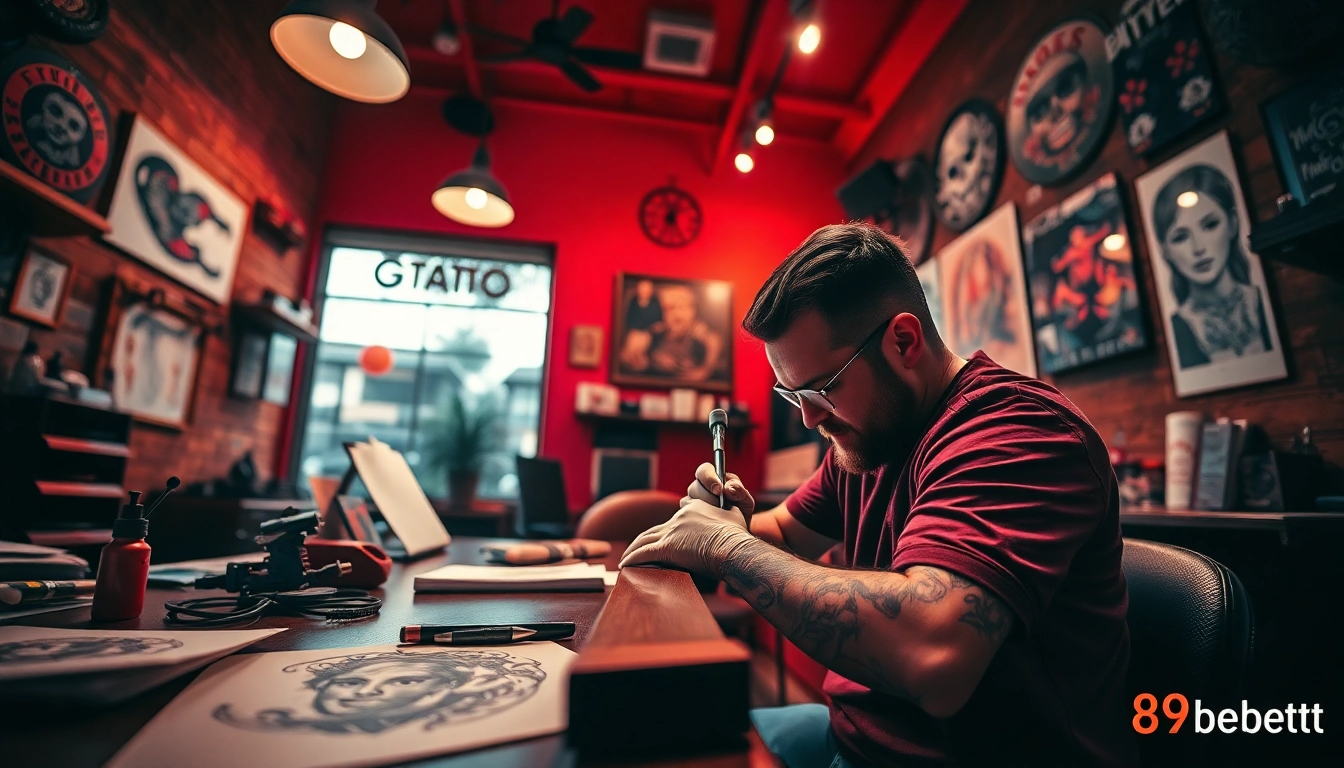
The Evolution of Tattoo Artistry: A 2026 Perspective
Tattoo artistry has undergone a remarkable evolution over the centuries, transforming from ancient tribal markings to contemporary masterpieces that adorn the bodies of millions. As we move deeper into 2026, it’s evident that the journey of tattooing reflects broader shifts in culture, technology, and individual expression. This article explores the historical roots, modern techniques, and future trends in tattoo artistry, offering insights into this vibrant form of self-expression.
Historical Roots of Tattooing
The practice of tattooing dates back thousands of years, with evidence found in ancient Egypt, Polynesia, and indigenous tribes around the world. These early tattoos often held significant meanings, serving as symbols of tribal affiliation, religious beliefs, and rites of passage. For instance, the ancient Egyptian mummies were discovered with intricate tattoos that signified status and spirituality.
As we trace the historical timeline, we see how tattoos were stigmatized in various cultures over the centuries, only to rise again in popularity during the late 20th century. The punk and rock movements played pivotal roles in rebranding tattoos as a symbol of rebellion and individuality. Today, tattoos are often seen as a way for individuals to express their unique identities, further fueled by the advent of social media.
Modern Techniques and Styles
Today, tattoo artistry boasts a plethora of styles, from traditional Japanese irezumi to contemporary minimalistic designs. Artists have also embraced innovative techniques like watercolor tattoos, geometric patterns, and 3D tattoos, allowing for a stunning range of expressions. The availability of high-quality inks and modern equipment has also enhanced the precision and safety of tattooing.
Furthermore, the growing wellness movement has led to an increased focus on the mental health benefits of tattooing. Many individuals view their tattoos as a form of therapy—permanently marking their personal stories on their skin. As we move into 2026, artists are incorporating elements of mindfulness into their practice, fostering a deeper connection with their clients.
Impact of Technology on Tattoo Design
Technology has dramatically reshaped tattoo artistry and design. Digital platforms allow potential clients to explore portfolios, book appointments, and communicate with artists like never before. Additionally, augmented reality (AR) technology is providing a new dimension to the tattoo experience, enabling individuals to preview designs on their skin before committing.
As we consider the implications of these advancements, it’s also essential to address how they influence public perceptions of tattoos. The rise in technology has made tattoo artistry more accessible and acceptable, leading to a more diverse clientele and a wider array of artistic expression. For insights into this dynamic trend in tattooing and what it means for aspiring artists, you may visit https://89bet.tattoo/.
Understanding Tattoo Culture and Community
The tattoo culture is a mosaic of creativity, heritage, and community. Artists and enthusiasts often share a profound bond, transcending mere client-artist relationships. Many tattoo studios have become sanctuaries for expression, where individuals feel empowered to showcase their stories and scars.
The Role of Studios and Artists
Tattoo studios serve as more than just workplaces for artists; they are cultural hubs that foster a sense of community. Artists often collaborate on projects, share techniques, and strive to elevate the craft. The studio's environment plays a critical role in the tattooing process, influencing the relationship between the artist and the client.
A successful tattoo studio not only showcases artistic talent but also invests in creating a welcoming and safe space for clients. This includes maintaining a clean environment, ensuring clients feel comfortable discussing their ideas, and providing educational insights about the tattoo process.
Building Relationships with Clients
Building trust is paramount in the tattoo industry. Clients often seek artists who not only possess technical skills but also understand their vision and emotions. Establishing a rapport can significantly enhance the tattooing experience, leading to better outcomes and lasting client loyalty.
Artists also take the time to listen and collaborate with clients, allowing for designs that resonate deeply with their personal journeys. This symbiotic relationship between the tattoo artist and the client fosters a unique bond that often extends beyond the tattooing chair.
Social Media’s Influence on Tattoo Trends
In the age of social media, tattoo trends spread faster than ever. Platforms like Instagram and TikTok have transformed how tattoos are marketed, allowing artists to showcase their portfolios to a global audience. This democratization of tattoo art has cultivated a diverse range of styles and trends, with microtrends emerging in real-time.
However, this rapid dissemination also has its downsides. Artists often face pressure to conform to trending styles, potentially sacrificing their unique artistic voice. Nonetheless, social media remains an essential tool for networking, collaboration, and inspiration within the tattoo community.
Health and Safety Standards in Tattooing
As the tattoo industry continues to thrive, so does the importance of adhering to health and safety standards. Ensuring cleanliness and compliance with regulations is crucial for both artists and clients, as it safeguards against infections and promotes a positive reputation for the craft.
Best Practices for Hygiene and Safety
Hygiene standards in tattoo studios are paramount. Artists must adhere to strict protocols, such as using single-use needles, sterilizing equipment, and maintaining a clean workspace. Regular training and updates on best practices help ensure compliance with evolving health regulations.
Clients are also encouraged to conduct research about their chosen tattoo studios, ensuring they prioritize hygiene and safety. A reputable studio should be transparent about their practices and willing to answer any questions potential clients may have regarding their safety measures.
Regulatory Compliance for Tattoo Artists
Regulatory standards for tattoo artists vary by location, with some states requiring formal apprenticeship programs and licensing. Artists must stay informed about local laws and regulations governing tattooing to maintain compliance and uphold industry credibility.
Moreover, continued education and training are essential for artists seeking to advance their skills and knowledge. Workshops, seminars, and certifications are valuable avenues for ensuring skill development and meeting regulatory requirements.
Addressing Common Health Concerns
Frequently asked questions about tattooing often revolve around health concerns. Issues such as allergic reactions, infections, and scarring can arise, emphasizing the importance of thorough discussions with the artist before the procedure.
Clients should ensure they are aware of potential risks, including skin conditions or allergies to specific inks. Tattoo artists are responsible for providing clients with aftercare instructions to minimize health risks and promote healing.
Choosing the Right Tattoo: A Guide for Enthusiasts
Selecting a tattoo is an important decision, and potential clients should approach it with thoughtfulness and care. From design choices to placement on the body, careful consideration can lead to a fulfilling tattoo experience.
Deciding on Design and Placement
The design of a tattoo should represent something significant to the individual. Popular choices include symbols of love, strength, and personal growth. Clients are also encouraged to collaborate with artists to create custom designs that reflect their unique stories.
Placement is another critical factor. Different areas of the body can influence the visibility and pain levels associated with tattooing. Clients should consider both aesthetic and personal factors when choosing a location for their tattoo.
Understanding Tattoo Aftercare
Aftercare is crucial for ensuring the longevity and appearance of a tattoo. Clients should follow their artist's aftercare instructions diligently, which typically include keeping the tattoo clean, applying ointment, and avoiding sun exposure.
Good aftercare practices not only enhance the healing process but also prevent complications, such as fading or infections. Artists may provide clients with specific products that they recommend for aftercare, reinforcing the importance of this phase in the tattooing process.
Common Misconceptions about Tattoos
Misconceptions about tattoos abound, often perpetuated by societal stigma. One common myth is that tattoos are solely for rebellious individuals. In reality, tattoos are a powerful form of self-expression for people from all walks of life.
Additionally, many believe that tattoos are permanent and cannot be removed. While tattoo removal technology has improved, clients should still approach the decision to get a tattoo with careful contemplation. Understanding the reality of tattoos can help individuals make informed choices that reflect their true selves.
Future Trends in Tattooing: What to Expect in 2026
As we look to the future of tattooing, several trends are likely to shape the industry in exciting ways. From emerging styles to technological advancements, the next few years promise to bring even more creativity and innovation.
Emerging Styles and Innovations
In 2026, we can expect to see a rise in experimental styles that merge traditional artistry with modern techniques. Biomechanical tattoos, hyper-realistic portraits, and body art that interacts with the wearer’s movements are just a few examples of what may become mainstream.
Moreover, artists are likely to embrace eco-friendly practices, utilizing non-toxic inks and sustainable materials. As awareness regarding environmental impact continues to grow, the tattoo industry is expected to align with eco-conscious movements.
The Influence of Pop Culture on Tattoos
Pop culture remains a prominent influence on tattoo trends. Iconic figures in music, sports, and entertainment continue to inspire individuals to express their admiration through body art. As new celebrities and trends emerge, tattoo themes will likely evolve in tandem.
Furthermore, the fusion of technology and culture may lead to innovative designs inspired by films, video games, and virtual reality, reflecting the interconnectedness of modern life.
Predictions for the Tattoo Industry Growth
The tattoo industry is projected to experience considerable growth in the coming years. With increasing acceptance and a broader cultural shift toward self-expression, more individuals are likely to seek tattoos as a form of identity. This growth presents opportunities for artists to refine their skills and expand their clientele.
As the industry adapts to changing societal norms and technological advancements, it is essential for artists and studios to remain flexible and open to new ideas. For more information, Đăng ký 89bet offers valuable insights. By embracing innovation, the tattoo community can continue to thrive, creating meaningful artwork that resonates deeply with individuals around the world.