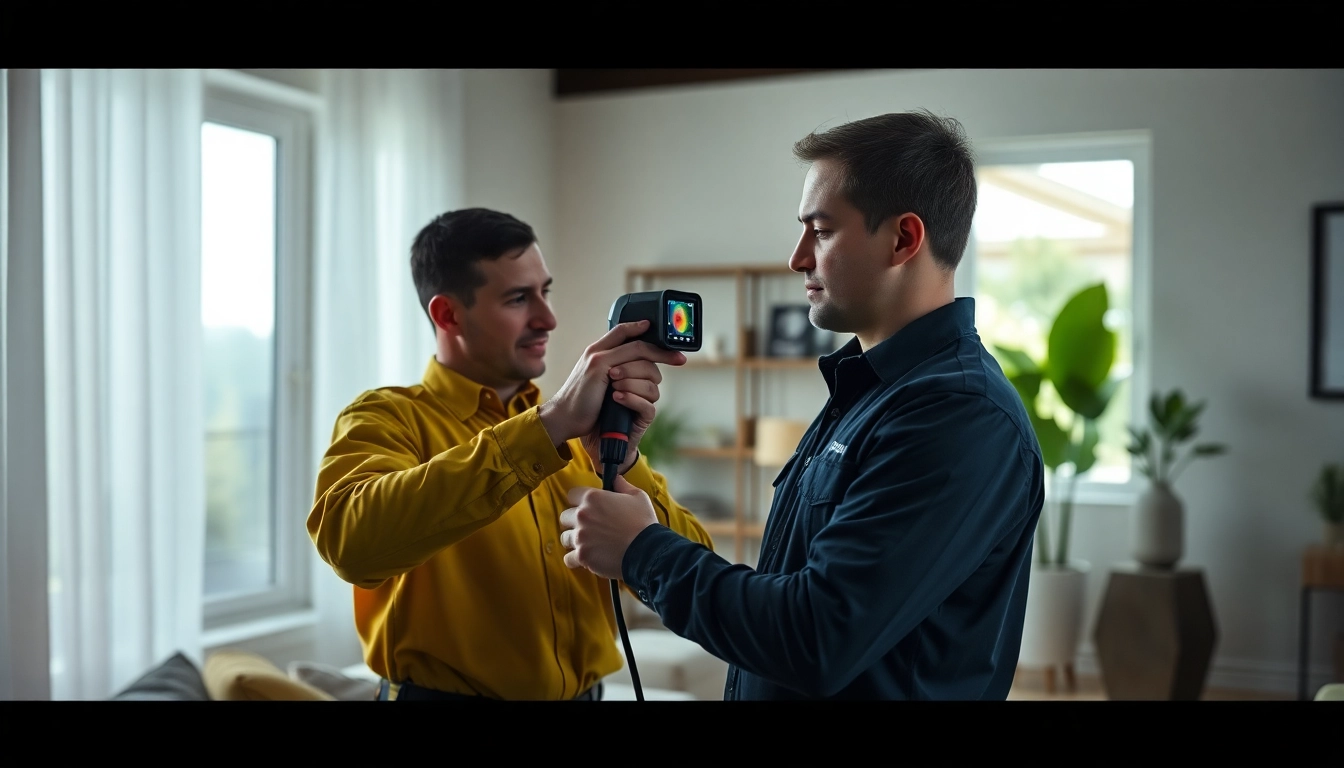
Understanding Water Leak Detection
Water leak detection is a critical aspect of maintaining the integrity of your home. With the potential for leaks to cause significant damage—such as structural issues, mold growth, and increased utility bills—it is vital for homeowners to understand both the methods and technologies available for detecting leaks early. In this article, we will delve into the various methods of water leak detection, explore advanced technologies, and discuss preventative measures that can protect your home from water-related issues.
What is Water Leak Detection?
Water leak detection refers to the process of identifying and locating leaks in water supply systems, whether they be in residential properties, commercial buildings, or municipal infrastructures. This process can involve various techniques, including visual inspections, acoustic monitoring, and advanced technologies such as thermal imaging. The goal is to find leaks before they escalate into more significant problems that can lead to expensive repairs or even health hazards due to mold.
Common Signs of Water Leaks
Recognizing the signs of water leaks is crucial to early detection. Some common indicators include:
- Unexplained increases in water bills: A sudden spike may indicate ongoing leakage.
- Water stains: Discoloration on walls, ceilings, or floors can signal underlying moisture issues.
- Mold or mildew: The presence of mold is often a sign of prolonged dampness due to leaks.
- Sound of running water: Hearing water when all taps are off may suggest a leak.
The Importance of Timely Detection
Timely leak detection is essential for minimizing damage and repair costs. Delayed detection can lead to structural damage, increased utility costs, and health issues from mold exposure. By implementing advanced leak detection technologies, homeowners can prevent these detrimental effects and save long-term costs associated with water damage restoration.
Advanced Technologies for Water Leak Detection
Modern leak detection employs various advanced tools and technologies designed to enhance accuracy and efficiency. From pressure testing to acoustic devices, these technologies not only identify the presence of leaks but also help locate their exact positions.
Innovative Tools and Their Uses
Some of the leading technologies in leak detection include:
- Pressure Testing: This method involves isolating sections of piping and monitoring changes in pressure to confirm leak locations.
- Thermal Imaging Cameras: Thermal imaging detects temperature variations in walls or floors, often revealing hidden leaks.
- Acoustic Listening Devices: These devices amplify the sound of water escaping from pipes and can help locate leaks, even if they are buried underground.
- Tracer Gas Detection: A safe, odorless gas is introduced into the plumbing system, which can be traced to any point of escape, making it especially useful for small or hard-to-reach leaks.
Benefits of Non-Invasive Techniques
Non-invasive leak detection techniques are crucial for minimizing damage to properties during the inspection process. Methods such as thermal imaging and acoustic monitoring allow technicians to identify leaks without needing to cut into walls or floors. This approach not only preserves the property but also reduces the time and costs associated with repairs.
Comparing Detection Methods: A Comprehensive Overview
Each leak detection method has its unique advantages and is suited for different types of problems. For example, thermal imaging is excellent for identifying leaks behind walls, while acoustic devices are better for locating underground leaks. Understanding the strengths and weaknesses of each method can help homeowners choose the right approach for their needs.
Professional vs. DIY Water Leak Detection
When faced with suspected leaks, homeowners often weigh their options between hiring professionals or attempting to detect leaks themselves. Both approaches have their pros and cons, and understanding these can guide homeowners in making the best choice for their circumstances.
When to Call a Leak Detection Expert
It is advisable to call a leak detection specialist when:
- You notice multiple signs of leaks but cannot locate the source.
- The suspected leak is in complex plumbing systems such as heating systems or underground pipes.
- You are unsure or uncomfortable with DIY detection methods.
Cost Considerations for Professional Services
The cost of professional leak detection services can vary significantly based on location, complexity, and the technologies used. In general, many homeowners can expect to pay between $200 and $1,500 for comprehensive leak detection services. Investing in professional services can save money in the long run by identifying leaks before they cause extensive damage.
DIY Techniques: What Works and What Doesn’t
For those who prefer a hands-on approach, DIY leak detection can be effective for small-scale issues. Techniques such as monitoring your water bill or inspecting visible plumbing for signs of moisture can provide insights. However, these methods are limited in effectiveness compared to advanced technologies and may not reveal hidden leaks.
Preventing Water Leaks in Your Home
The best defense against water damage is prevention. By understanding common causes of leaks and engaging in regular maintenance, homeowners can protect their properties effectively.
Regular Maintenance Tips for Homeowners
To prevent leaks from occurring in the first place, consider implementing the following maintenance tips:
- Perform routine inspections of plumbing systems and appliances.
- Check for signs of moisture around fixtures and pipes.
- Ensure that your home’s gutters and downspouts are clean and functioning correctly to avoid water pooling.
Understanding Common Causes of Leaks
Leaks can arise from various sources, including:
- Corrosion of pipes over time.
- Improper installation of plumbing fixtures.
- Extreme temperature fluctuations that can cause pipes to expand and contract.
How Technology Can Help Prevent Leaks
Smart home technology can play a vital role in leak prevention. Devices that monitor water usage and detect leaks can provide notifications, enabling homeowners to take immediate action before issues escalate. Additionally, automatic shut-off valves can prevent extensive damage in case of major leaks, offering peace of mind.
Future Trends in Water Leak Detection
The landscape of water leak detection is continually evolving, with new technologies and methodologies emerging to enhance efficiency and accuracy. Understanding these trends can help homeowners stay ahead of potential water issues.
Upcoming Innovations to Watch in 2025
Looking ahead, several innovations are set to change the field of leak detection, including:
- Artificial Intelligence: AI-driven systems that can predict leaks based on historical data and usage patterns.
- Advanced Sensors: Next-generation sensors that provide real-time data on water usage and potential leaks.
- Integration with Smart Home Systems: Enhanced connectivity allowing for streamlined monitoring and quick responses to potential issues.
The Role of Smart Home Devices
Smart home technology is making significant strides in leak detection. Devices like smart water meters and sensors can alert homeowners to anomalies in water usage, allowing for quick action before leaks develop into expensive repairs.
Environmental Impact and Sustainable Practices
As awareness of environmental issues grows, there is an increasing emphasis on sustainable water management practices. Leak detection technologies not only help conserve water resources but also reduce the energy costs associated with heating and treating excess water usage.