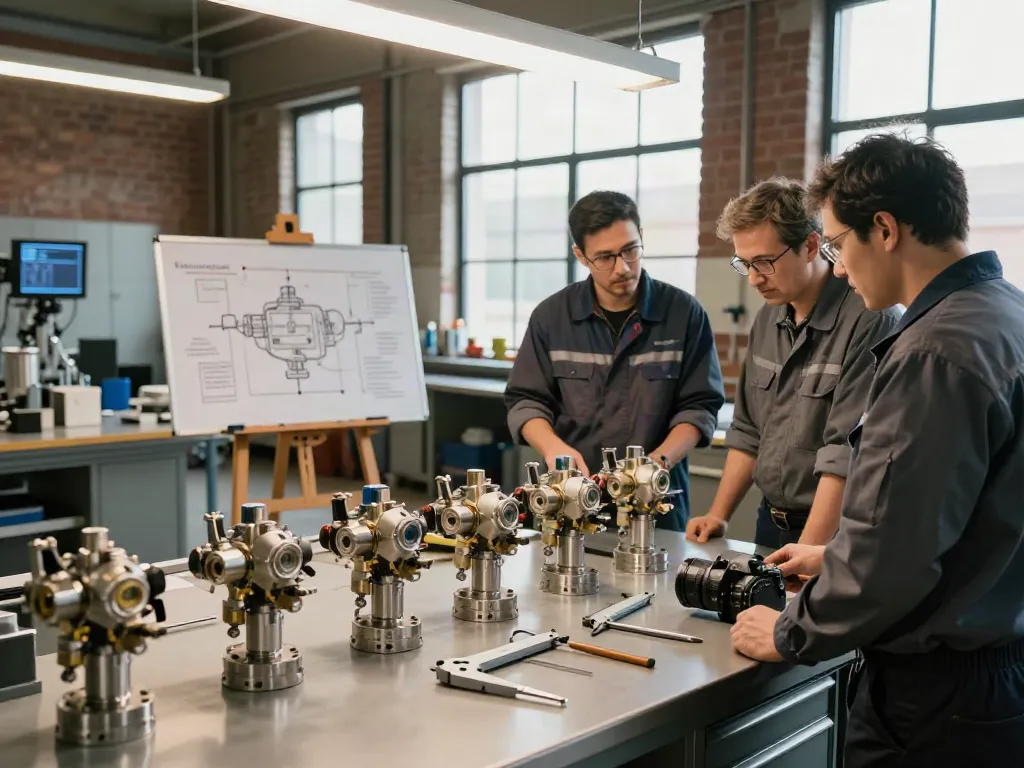
Understanding Mechanical Vacuum Switch
A mechanical vacuum switch is an essential device in various industrial applications, enabling precise monitoring and control of vacuum levels. These switches are designed to operate automatically based on a set vacuum threshold, triggering a response such as activating a pump or an alarm when the desired vacuum level is achieved or lost. Given their significant role in maintaining optimal operational conditions, gaining a deeper understanding of these switches is critical for industries relying on vacuum technology.
Among the different options available in the market, LEFOO offers a range of mechanical vacuum switch products engineered for top-notch performance and reliability. With robust construction and high accuracy, these switches are tailored for a variety of applications from HVAC systems to complex industrial machinery.
What is a Mechanical Vacuum Switch?
A mechanical vacuum switch is an electromechanical device that operates through mechanical means rather than electronic sensors. It monitors vacuum pressure within a system and activates or deactivates equipment based on whether the pressure falls above or below a specified threshold. This functionality is crucial for ensuring the safety and efficiency of systems that depend on a precise vacuum level.
Key Components of Mechanical Vacuum Switches
Mechanical vacuum switches are constructed from several key components that work together to ensure accurate performance:
- Diaphragm: The integral part that responds to changes in pressure, flexing according to the vacuum levels present.
- Setpoint Adjustment: Most switches feature an adjustable setpoint mechanism, allowing users to define the desired vacuum level for activation.
- Actuator: This component triggers an electrical relay or another mechanism when the diaphragm reaches the specified pressure point.
- Housing: Typically made of durable materials such as stainless steel, these enclosures protect the internal components from environmental factors.
How Mechanical Vacuum Switches Work
The operational mechanism of mechanical vacuum switches is relatively straightforward. When the vacuum level in a system increases or decreases, the diaphragm reacts accordingly. When it reaches the designated setpoint, the actuator is engaged, completing a circuit that typically activates or deactivates equipment, indicating the need for intervention or indicating normal operating conditions.
This simple yet effective design contributes to their reliability and longevity in various applications.
Applications of Mechanical Vacuum Switches
Use in Industrial Automation
Mechanical vacuum switches are widely used in industrial automation systems where maintaining a stable vacuum is critical. In processes such as material handling, packaging, and filtration, these switches help ensure that operations run smoothly without disruption.
Benefits for HVAC Systems
In HVAC systems, mechanical vacuum switches are vital for monitoring and regulating vacuum pressures in refrigeration systems and other applications requiring precise control. They contribute to energy efficiency, safety, and enhanced system performance, making them indispensable in the field.
Role in Compressors and Machinery
Compressors benefit significantly from the use of mechanical vacuum switches, which help maintain desired pressure levels. By integrating these switches, operators can prevent equipment from operating outside of safe tolerances, thus protecting machinery from damage and reducing maintenance costs.
Installation and Calibration of Mechanical Vacuum Switches
Preparation for Installation
Before installing a mechanical vacuum switch, it is crucial to assess the specific application requirements. This involves reviewing specifications such as the range of vacuum levels required, environmental conditions, and compatibility with existing equipment. Proper preparation ensures a seamless installation process.
Step-by-Step Calibration Guide
Calibrating a mechanical vacuum switch is generally a straightforward process:
- Disconnect power to avoid any electrical hazards.
- Locate the adjustment screw on the switch, usually found on the housing.
- Apply a known vacuum using a calibrated gauge.
- Adjust the setpoint using the screw until the switch activates or deactivates at the desired vacuum level.
- Reconnect power and test the switch under operational conditions to confirm accurate performance.
Common Challenges in Installation
Some common challenges faced during installation include:
- Incorrect setpoint adjustment leading to premature activation or deactivation.
- Environmental factors such as dust or moisture affecting performance.
- Compatibility issues with existing equipment or systems.
Addressing these challenges upfront through careful planning and consideration will significantly enhance installation quality and reliability.
Maintenance Best Practices for Longevity
Routine Inspection Procedures
Regular inspections are vital for ensuring the longevity and reliability of mechanical vacuum switches. Operators should establish a routine that involves checking for:
- Physical damage or corrosion on housing and components.
- Correct alignment and connection of all parts.
- Calibration accuracy and operational response.
Troubleshooting Common Issues
Common issues include failure to activate, erratic behaviors, or incorrect readings. Troubleshooting steps should include:
- Verifying the setpoint is correctly adjusted.
- Inspecting the diaphragm for wear or damage.
- Ensuring all electrical connections are intact and secure.
Extending the Service Life of Vacuum Switches
To maximize the service life of mechanical vacuum switches, adhere to the following best practices:
- Maintain a stable operating environment to reduce wear.
- Perform scheduled maintenance checks and recalibrations.
- Utilize protective enclosures in harsh environments to shield switches from contaminants.
Future Trends in Mechanical Vacuum Technology
Innovations in Design and Functionality by 2026
The future of mechanical vacuum switches is likely to see advancements in materials and design that enhance durability and performance. Innovations may include the use of composite materials and improved diaphragm designs that increase sensitivity and responsiveness.
Impact of Digital Technology on Mechanical Switches
While mechanical switches are preferred in many industrial applications for their reliability, the rise of digital technology is fostering hybrid solutions that combine the best of both worlds. Digital monitoring and feedback systems may be integrated with mechanical switches to improve performance tracking and diagnostics.
Expert Predictions for Industry Evolution
As industries push towards automation and efficiency, the demand for increasingly sophisticated vacuum management solutions is set to rise. Experts predict a significant trend towards incorporating sensors and smart technologies within mechanical systems, further optimizing performance and operational safety.
What is a vacuum switch used for?
A vacuum switch is utilized primarily for monitoring vacuum conditions in various systems, ensuring safety and operational efficiency.
Is a vacuum switch the same as a pressure switch?
While both types of switches serve to monitor and control pressure, a vacuum switch specifically measures negative pressure, whereas a pressure switch measures positive pressure.
What is an automatic vacuum switch?
An automatic vacuum switch is capable of regulating systems without manual intervention, activating or deactivating based on preset vacuum levels.
Can you run a pellet stove without a vacuum switch?
Running a pellet stove without a vacuum switch is not advisable, as it may result in unsafe operating conditions by failing to monitor the vacuum pressure necessary for optimal combustion and safety.
How do I choose the right mechanical vacuum switch for my needs?
Selecting the right mechanical vacuum switch involves considering operational pressure range, environmental conditions, and compatibility with existing systems. Consulting with manufacturers or industry experts can also provide invaluable guidance.