Understanding Felt Roofs: Basics and Benefits
Felt roofs have become a popular choice for residential and commercial buildings alike, serving as a reliable and cost-effective roofing option. Characterized by their flat structure and multi-layer compositions, felt roofing systems offer durability and weather resistance that many property owners appreciate. However, navigating the various options available can seem overwhelming, especially when faced with decisions regarding materials and installation processes. When exploring options, felt roof solutions provide comprehensive insights for homeowners seeking long-lasting performance.
What is a felt roof?
A felt roof typically consists of one or more layers of roofing felt, which is made primarily from bitumen or polymers. These materials are specifically designed to protect structures from rain, snow, and other environmental factors. Felt roofs are mostly installed on flat or low-pitched roofs and can be either fully bonded, mechanically fixed, or laid loose with ballast. The layering of the felt not only provides a waterproof barrier but also contributes to the overall insulation of the building, helping to regulate indoor temperatures and improve energy efficiency.
Advantages of using felt roofing
- Cost-Effective: Felt roofing is generally less expensive than alternative roofing materials, making it an appealing option for budget-conscious homeowners.
- Lightweight: The lightweight nature of felt makes it easy to install and reduces the structural load on buildings.
- Quick Installation: Felt roofs can be installed quickly, resulting in less disruption for homeowners and tenants.
- Durability: With proper maintenance, felt roofs can last between 10-20 years, depending on the quality of materials and installation methods.
- Weather Resistant: Modern felt roofing systems are designed to withstand various weather conditions, including rain, hail, and UV exposure.
Common misconceptions about felt roofs
Despite their advantages, felt roofs are often misunderstood. One common misconception is that they are prone to leaks and require constant maintenance. While older felt roofing systems may have struggled with leaks, modern advancements in materials and installation techniques have significantly enhanced their durability. Additionally, some homeowners believe that felt roofing lacks aesthetic appeal; however, various finishing options, such as gravel or protective coatings, can improve their appearance and longevity.
Types of Felt Roofing Systems
Choosing the right type of felt roofing system is crucial to ensuring long-lasting performance on a property. Today’s felt roofing options include both traditional and modern systems, giving homeowners a range of choices depending on their specific needs.
Traditional vs. Modern felt roofing
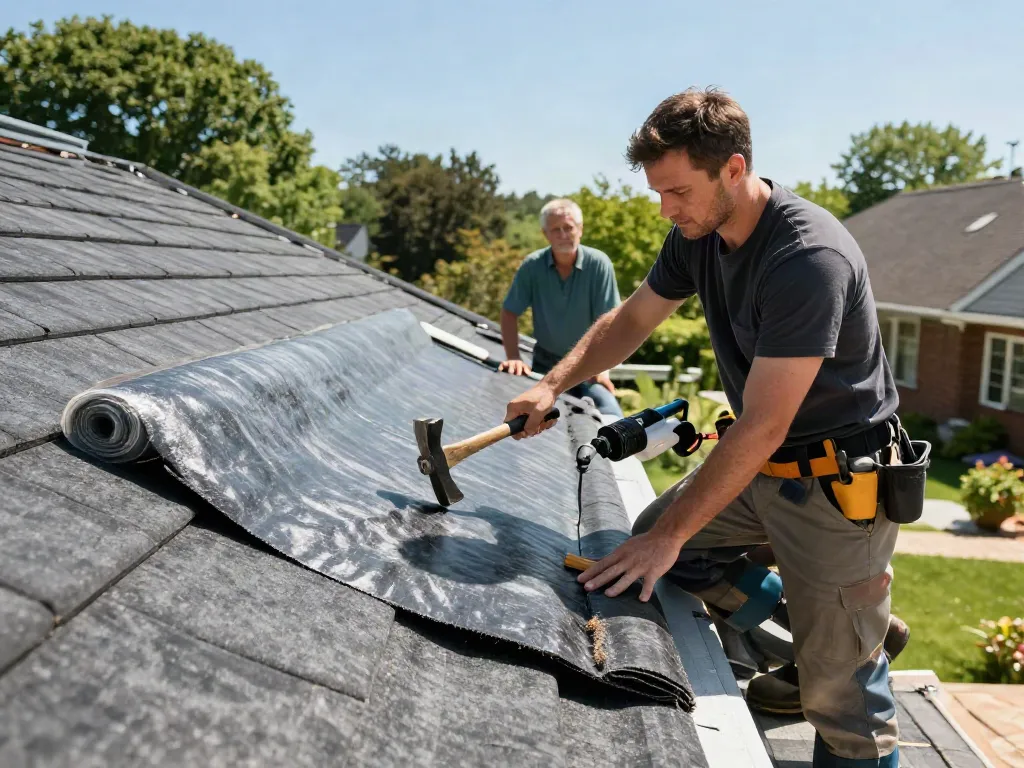
Traditional felt roofing typically involves a base layer of bitumen felt, which may contain a single or multiple layers depending on the desired durability. While these systems have served well over the decades, modern felt roofing options introduce advanced materials such as synthetic polymers and reinforced layers that offer superior waterproofing and UV resistance. These modern systems, including torch-on felt, are popular for their seamless installation, which further reduces the risk of leaks.
Choosing between cold and warm roof systems
When it comes to installation, one can choose between cold and warm roof systems. A cold roof system allows for ventilation between the felt and the insulation, promoting air circulation and reducing moisture build-up. In contrast, a warm roof system involves applying insulation above the rafters, creating a tighter seal against heat loss. This system can significantly enhance energy efficiency, making it a preferred option for many modern constructions.
Insulation options for enhanced energy efficiency
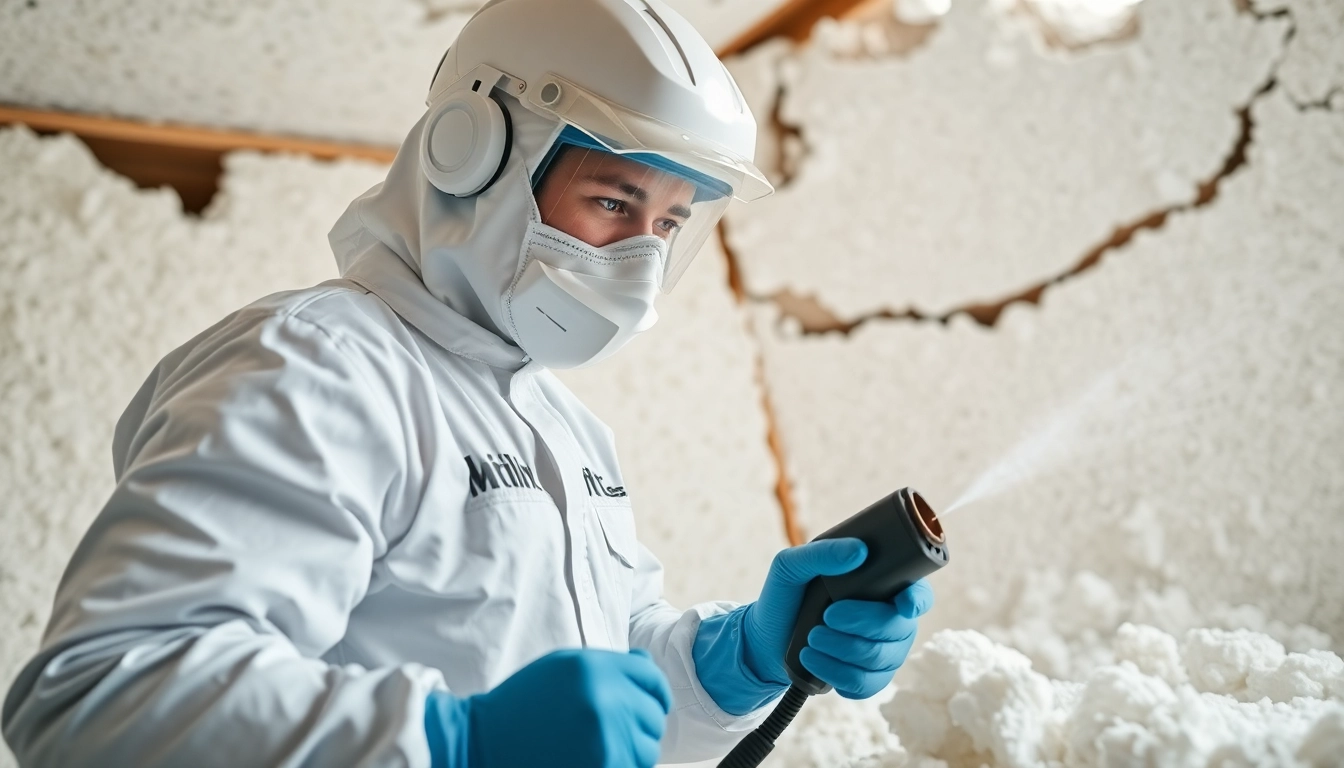
Insulation is a critical component of any roofing system. Felt roofs can incorporate various types of insulation, including rigid board, spray foam, or mineral wool. Selecting the right insulation not only contributes to energy efficiency but can also improve indoor comfort by maintaining stable temperatures throughout the year. This investment can result in lower heating and cooling costs over time.
Finding Trusted Local Roofing Specialists
When it's time to install or repair a felt roof, finding a qualified roofing specialist is paramount. Homeowners should prioritize contractors who are experienced in felt roofing and can demonstrate a solid track record of successful installations.
How to verify roofer qualifications
Homeowners should always check the qualifications of potential roofing contractors. This entails confirming that the contractor is licensed, insured, and carries the appropriate certifications. In addition, reading online reviews and asking for referrals from previous clients can provide valuable insights into a contractor’s reliability and workmanship. A reputable contractor will gladly provide proof of qualifications and references upon request.
Insurance and references: What to look for
Before hiring a roofing contractor, it is essential to verify their insurance coverage. This protects you as a homeowner from liability in the event of accidents or damages during the project. Additionally, ask contractors for references and examples of past projects. A contractor with a history of satisfied customers is likely to deliver a similar standard of quality for your felt roofing project.
Using online quote services effectively
Online quote services, such as Felt-Roof.co.uk, simplify the process of finding local roofing specialists. These services allow homeowners to submit their project details and receive multiple quotes from vetted contractors in their area. By comparing quotes, homeowners can make more informed decisions based on factors such as cost, materials, and timeline. Always ensure that you understand what is included in each quote to prevent any surprises during the project.
Common Felt Roofing Problems and Solutions
While felt roofs offer many advantages, they are not without their potential issues. Being equipped to identify and address these problems is crucial for maintaining the integrity of your roofing system.
Identifying signs of wear or damage
Common signs of damage in felt roofs include pooling water, blistering, cracks, and visible wear or tears. Homeowners should conduct regular inspections, especially after severe weather events, to catch any potential problems early. Addressing these issues promptly can prevent them from escalating into more significant and costly repairs.
Repairing vs. replacing felt roofs
When faced with roofing issues, homeowners often wonder whether to repair or replace their felt roofs. Minor leaks or small sections of damage can often be repaired effectively, extending the roof's lifespan. However, if the roof is reaching the end of its useful life or shows widespread deterioration, a complete replacement may be more cost-effective in the long run.
Preventative measures for long-lasting performance
Implementing preventative measures, such as regular inspections, cleaning debris off the roof, and ensuring proper drainage, can significantly enhance the longevity of felt roofing systems. Additionally, applying a protective coating can help shield the roof from UV damage and prolong its effective service life.
Future Trends in Felt Roofing (2026 and Beyond)
The roofing industry is continuously evolving, and felt roofing is no exception. Emerging technologies and materials are shaping the future of felt roofing, making it more efficient and sustainable.
Innovative materials and technologies
New materials such as synthetic felt with enhanced waterproofing properties and better thermal performance are gaining popularity. These innovations aim to create a more robust barrier against extreme weather conditions while providing energy efficiency benefits.
Sustainability trends in the roofing industry
Sustainability is a growing concern and felt roofing is moving towards incorporating more eco-friendly materials and installation practices. This includes using recycled materials in roofing products and promoting energy-efficient systems that reduce carbon footprints.
Emerging best practices for installation and maintenance
Best practices in felt roofing installation are constantly being refined. As more contractors adopt advanced techniques and technologies, homeowners can expect more efficient and higher-quality roofing installations. Regular training and development for roofing contractors also contribute to the overall improvement of service and satisfaction for clients.
What makes felt roofing a preferred choice?
Felt roofing remains a preferred choice for many due to its affordability, ease of installation, and reliable performance. As improvements in materials and techniques continue to emerge, this roofing solution is likely to maintain its relevance in the industry.
How to maintain your felt roof effectively?
Maintaining a felt roof involves regular inspections, cleaning, and prompt repairs of any damage. Homeowners should also ensure that gutters and drainage systems are functioning correctly to prevent water pooling on the roof. Seeking professional help for maintenance tasks can prolong the life of a felt roof significantly.
What are the costs associated with felt roofing?
The costs associated with felt roofing vary significantly depending on factors such as the size of the roof, the type of materials used, and labor costs in the region. Homeowners should obtain multiple quotes to find the most competitive pricing while ensuring they consider quality and expertise in their decision.
How long can a felt roof last under proper maintenance?
With proper maintenance and care, a felt roof can last anywhere from 10 to 20 years, depending on the quality of materials used and environmental factors. Regular maintenance tasks significantly contribute to extending the roof's lifespan.