5 Essential Tips for Mastering Retro Games in 2026
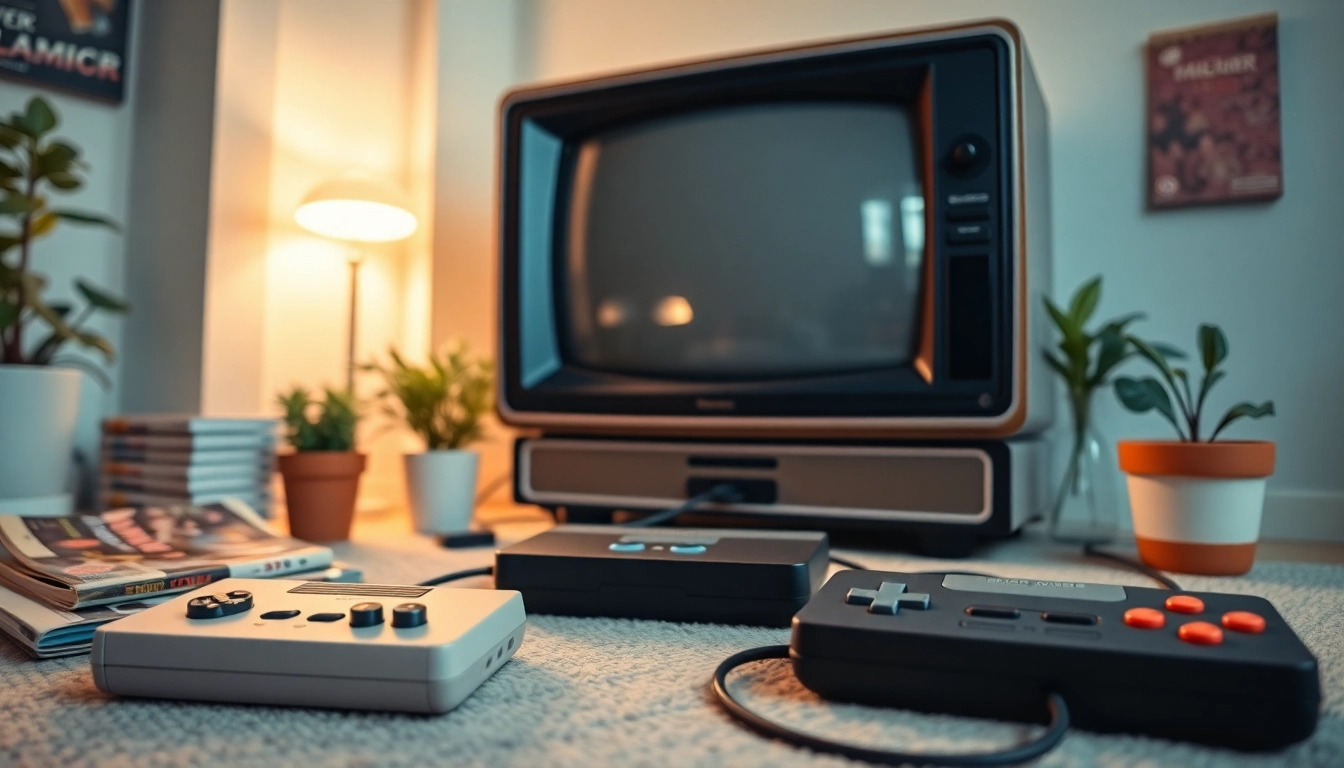
Understanding Retro Games: A Comprehensive Overview
Retro games hold a special place in the hearts of gamers, evoking nostalgia and conveying the essence of early gaming culture. These games, often characterized by their pixel art graphics and straightforward gameplay mechanics, were pivotal in laying the foundation for the modern gaming industry. As we delve into the world of retro games, we will explore their definitions, evolution, and the significant impact nostalgia has on today’s gaming trends. Additionally, when exploring options, retro games continue to charm players of all ages, guiding them through a vibrant labyrinth of memories and emotions.
What Defines Retro Games?
Retro games typically refer to video games that were released in the late 20th century, particularly from the 1970s to the early 2000s. This timeframe encompasses various platforms, including home consoles, arcade machines, and even handheld devices. Some of the defining characteristics of retro games include simple graphics, basic sound effects, and easy-to-understand gameplay mechanics. Titles such as “Pac-Man,” “Super Mario Bros.,” and “Tetris” exemplify these qualities, often offering engaging experiences that require skill and strategy rather than intricate graphics or complex narratives.
The Evolution of Classic Gaming Consoles
The evolution of classic gaming consoles has been instrumental in shaping the landscape of retro gaming. Starting from the simplicity of early systems like the Atari 2600 to the more sophisticated graphics of the Super Nintendo and Sega Genesis, each console brought forth unique gaming experiences. The introduction of 16-bit technology marked a significant turning point, allowing developers to create games with richer graphics and sounds. Today, these classic consoles are celebrated not just for their historical significance but also for their enduring popularity and the lasting impact they have had on gaming culture.
Nostalgia’s Impact on Modern Gaming Trends
Nostalgia plays a vital role in the resurgence of interest in retro games within the modern gaming community. Gamers often seek to relive their childhood experiences, which has led to the emergence of retro-themed games, remakes, and collections. The sensation of nostalgia drives developers to recreate beloved titles, while players indulge in the simplicity and charm of these games. This trend has seen platforms dedicated to retro gaming gain traction, with remastered classics and indie titles emphasizing vintage aesthetics and gameplay, keeping the spirit of retro games alive for new generations.
Choosing Your Retro Games: Top Genres and Titles
With a rich tapestry of genres and styles, selecting the right retro game can be both delightful and daunting. From platformers to role-playing games, the variety available ensures there is something for everyone. The following sections will guide you through the most popular retro games, hidden gems worth exploring, and a curated list of retro games categorized by genre.
Exploring the Most Popular Retro Games of All Time
Certain titles have become staples in the retro gaming community. Games like “Super Mario Bros.” not only defined a generation but also became cultural icons. Other noteworthy mentions include “The Legend of Zelda,” “Donkey Kong,” and “Street Fighter II.” These games not only provided hours of entertainment but also introduced innovative gameplay mechanics and storytelling techniques that influenced countless future titles.
How to Identify Hidden Gems in Retro Gaming
While the mainstream titles often take the spotlight, the world of retro games is filled with hidden gems waiting to be discovered. To identify these gems, gamers should explore lesser-known titles from familiar developers or delve into obscure arcade games. Websites and community forums dedicated to retro gaming can provide insights and recommendations from fellow enthusiasts, helping uncover unique games that may have slipped under the radar.
Retro Games by Genre: A Curated Guide
- Platformers: Titles like “Mega Man” and “Castlevania” emphasize skillful jumping and action.
- Puzzle Games: “Tetris” and “Dr. Mario” challenge players’ cognitive abilities in fun, engaging ways.
- Role-Playing Games: “Final Fantasy” and “Chrono Trigger” offer immersive storylines and character development.
- Arcade Games: Classics like “Pac-Man” and “Galaga” provide fast-paced, competitive gameplay.
Playing Retro Games: Essential Techniques
Mastering retro games requires a combination of practice, understanding game mechanics, and employing effective strategies. Each game presents its own set of challenges and learning curves, so refining your skills can enhance your overall gaming experience.
Best Strategies for Classic Video Games
Strategies in retro games often revolve around timing, precision, and memorization of levels. For instance, in platformers like “Super Mario Bros.,” understanding enemy patterns can drastically improve a player’s ability to navigate through levels. Similarly, in puzzle games, recognizing specific sequences and combos will lead to higher scores and successful completion of challenges.
Understanding Controls and Mechanics in Retro Titles
Each classic game features unique controls that can take some time to get used to. Learning the intricacies of controls can enhance gameplay, especially when it comes to arcade-style games, where quick reflexes and precise movements are essential for success. Familiarizing yourself with button configurations and practice will lead to better performance.
Emulators vs. Original Consoles: Which Is Best?
Players often grapple with the choice between using original consoles and emulators. While authentic consoles provide a genuine experience, emulators offer convenience and accessibility. Modern emulators can replicate classic gaming experiences on current devices, offering features like save states and customizable control schemes. Understanding the pros and cons of both options can help players make informed decisions based on their preferences and resources.
Creating a Retro Gaming Environment: Setup Tips
Setting up a nostalgic gaming environment can significantly enhance the retro gaming experience. From selecting the right equipment to creating a cozy atmosphere, it’s important to ensure that your gaming setup reflects the charm of classic titles.
Essential Equipment for the Ultimate Gaming Experience
Investing in quality equipment can elevate your gaming sessions. A reliable television or monitor with the right resolution, paired with original controllers or high-quality replicas, can replicate the authentic feel of retro gaming. Additionally, consider sound systems that replicate the audio experience of classic titles for a more immersive atmosphere.
How to Create a Nostalgic Gaming Atmosphere at Home
Creating a nostalgic atmosphere involves more than just the games; it’s about embodying the essence of the era. Decorate your gaming space with vintage posters, retro memorabilia, and themed accessories that reflect the joy of classic gaming. Also, consider inviting friends to join you for retro gaming parties to recreate the communal joy once prevalent in arcades.
Organizing Your Retro Game Collection Effectively
Maintaining an organized collection of retro games is essential for easy access and preservation. Consider categorizing your collection by console, genre, or release date. Displaying your games in clear, aesthetically-pleasing ways will make it easier to locate and enjoy your favorites while also showcasing your passion for retro gaming.
The Future of Retro Gaming: Trends and Innovations for 2026
As we look toward the future, it’s evident that retro gaming will continue to evolve, intertwining with modern technologies and trends. Here are some predictions and insights on the upcoming innovations within this nostalgic realm.
Emerging Technologies in Retro Gaming
Advancements in technology are paving the way for new developments in retro gaming. The integration of cloud gaming services enables gamers to access classic titles from various devices without the need for physical copies. Furthermore, advancements in artificial intelligence could facilitate enhanced gameplay experiences, creating more dynamic and responsive environments for retro titles.
How Virtual Reality is Shaping Classic Games
Virtual reality (VR) is beginning to influence the retro gaming landscape by offering new ways to experience classic games. Imagine immersing yourself in the pixelated worlds of “Pac-Man” or “The Legend of Zelda” from a first-person perspective. This innovative approach could attract a new audience while rekindling the joy of classic gaming for seasoned players.
The Community’s Role in Reviving Retro Classics
The gaming community plays a crucial role in the preservation and revival of retro games. Enthusiasts actively engage in discussions, share their passion through content creation, and host events that celebrate vintage gaming. This collective enthusiasm fosters a vibrant culture that not only honors classic titles but also inspires future generations of gamers to delve into the rich history of video games.